“Whoever once lived in Tavira, always sighs for her.” — Popular saying, 16th century
Ta-vi-ra. With a slight accent on the second syllable, the word sounds vaguely Middle Eastern. There’s a reason for that: the name of this city originates from the Arabic tabira, meaning “the hidden,” and dates from the early Middle Ages, when it was under Islamic rule.
Perched on the far southwestern coast of Europe, in a sunny region of Portugal known as the Algarve (itself derived from al Gharb, Arabic for “the West”), Tavira today is packed with tourists during the peak summer months of July and August. It’s quiet and sleepy the rest of the year, perfect for retirees such as Bina and myself. We’ve been living here for nearly two years as Portuguese residents.
We settled on Tavira specifically because it’s located in the warmest region of Portugal (an average of 300 days of sun each year) and we remembered it fondly from a month-long visit in 2018. As a place to live, we couldn’t have done much better. Tavira gives you access to most modern amenities and a beach (that you reach via ferry), with the added charm of historic ambience and a laid-back vibe. We found a comfortable apartment rental within easy walking distance of the center of town. The coffee shops and restaurants with sidewalk seating provide European “cafe society” at its finest; lazing through a three-hour lunch with friends is common.
Now, let’s take a closer look at that historic ambience, because Tavira has been inhabited, more or less continually, for 3,000 years.
We begin in the very center of town, at Tavira’s most celebrated monument, the “Roman Bridge” spanning the Gilão River. This cobblestoned pedestrian-only road crossing the river on seven arches is a magnet for camera-toting tourists, offering excellent views of the city’s major landmarks on both sides of the river.
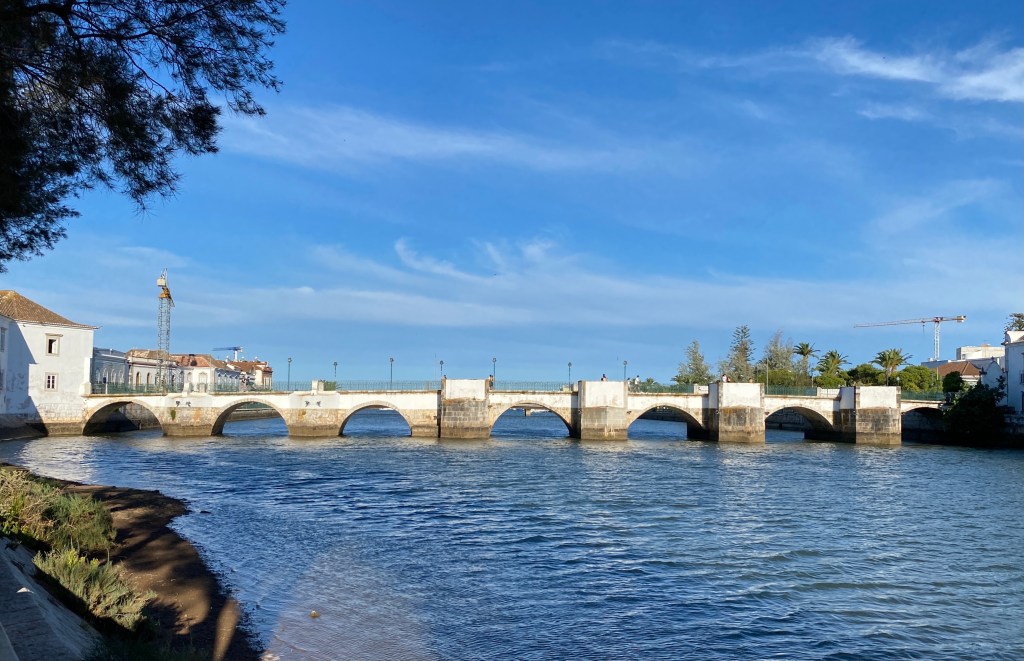
Only, it’s not a Roman bridge.
The current structure went up in 1655 and has been rebuilt several times since. There is no documentary or archaeological evidence of any bridge linked to the Romans. However, the road between Balsa (near modern Luz de Tavira) and Baesuris (Castro Marim) ran through here in Roman times; a ford probably enabled travelers to cross the river at low tide.
The first mention of an actual bridge in historical chronicles dates to the 13th century, when the region was controlled by the Moors from North Africa, and it likely was erected in the previous century. Whatever was left from Moorish times had to be substantially rebuilt by the Christians after a major flood in 1655 and that structure, more or less, is what you see today — although another extensive rehab was required after the great flood of 1989.
So, how did this bridge earn its official name of “Ponte Romana,” or “Roman Bridge,” when, say, “17th Century Bridge” could have served more appropriately? When the city authorities revamped their system of street names in 1998, they justified “Roman bridge” on the basis that generations of locals had labeled it as such. But one also suspects “Roman bridge” lent a bit more pizzazz to the city’s marketing efforts.
Standing on the bridge and looking south to the right bank brings into view Tavira’s central square, the Praça da Republica, and major public park, the Jardim do Coreto (“Garden of the Bandstand”). These two areas, fronted by cafes, restaurants, and government buildings, represent the heart of the city’s public life and provide a great place for a stroll, particularly after dark.
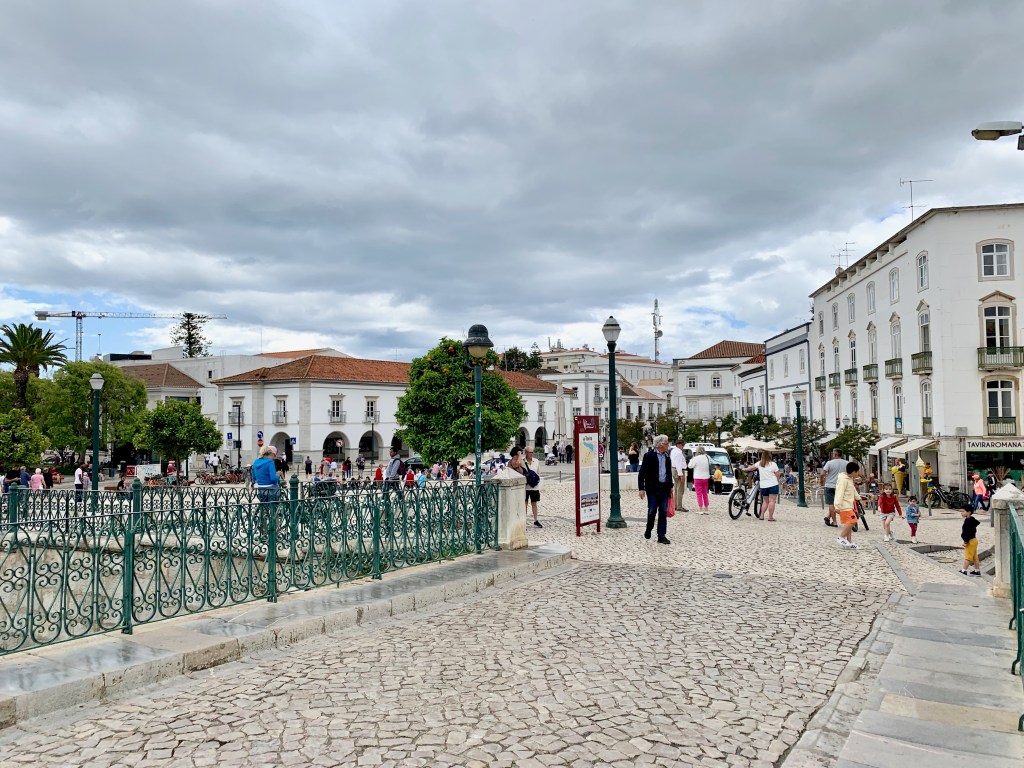
The city began as a port at the mouth of the River Gilão, affording easy access to the Atlantic Ocean. Over time, however, the river and adjoining areas began silting up; today, only small, shallow-draft boats can reach the city’s waterfront, downstream from the Roman bridge. Much of the urban area you see today on both banks of the river developed over reclaimed land, which is subject to periodic floods.
The view looked quite different back in the 8th century B.C., when the sea-going Phoenicians arrived here and built a trading post — Tavira’s first settlement for which we have archaeological evidence. To visit the Phoenician site, you cross the Praça da Republica, enter a narrow lane on the right called the Largo da Misericórdia, and then make a left on another lane than runs behind the A Muralha Hotel. There you’ll find what’s designated on Google Maps as “Ruínas Fenícias de Tavira.”
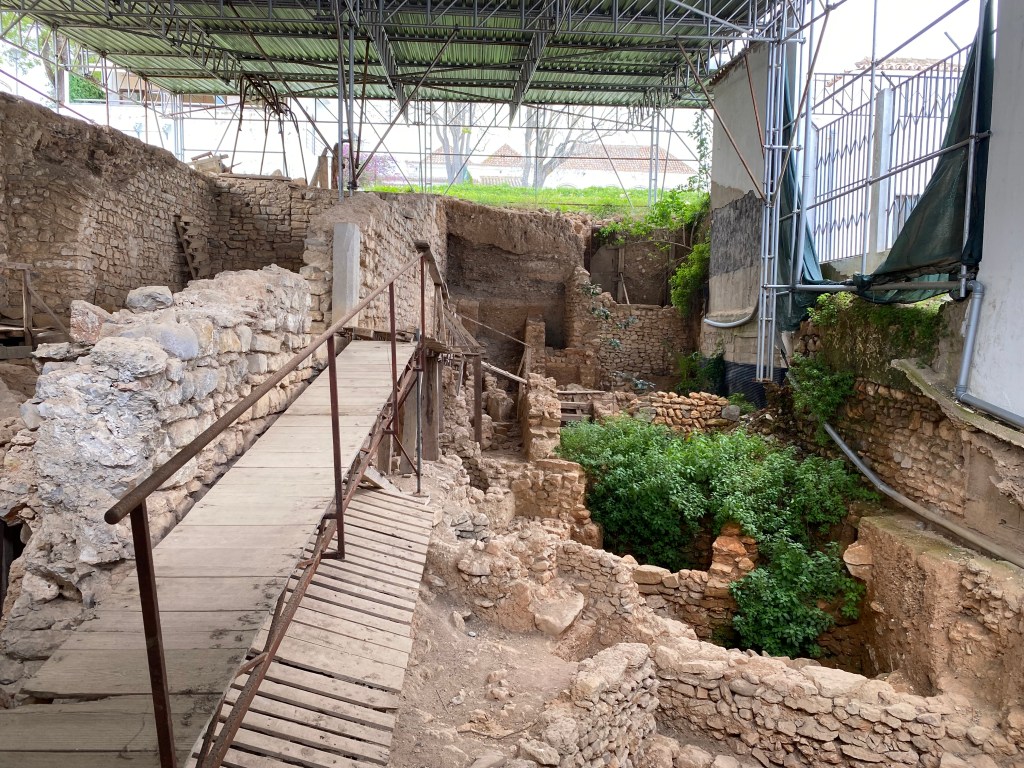
From street level, this is basically a big hole in the ground enclosed by a chain link fence and corrugated metal roof. Through the fence, you can discern the tops of ruined walls, which are actually from a medieval mansion that had been built over the Phoenician site. Although stairs lead further down into the site, the authorities have blocked access to the public for the last two decades. Scholars say the Phoenicians undertook the most extensive urban construction in Tavira until medieval times, including substantial walls, temples and a harbor, which likely was located where the Praça da Republica is today.
At Tavira’s municipal museum, which is a block away, you can also view, through glass panes laid on the floor, some pits found underneath the museum’s foundation. These were apparently used for rituals honoring Baal, the Phoenician god of wind and tempests.
The Phoenicians left the area after about 200 years and the settlement seems to have shrunk to nothing by the time the Romans arrived in the 2nd century B.C., with the locals shifting their buildings to Cerro do Cavaco, a hill three kilometres upstream. The town of Balsa, seven kilometres to the west, served as the largest Roman settlement in the eastern Algarve for most of the Roman period.
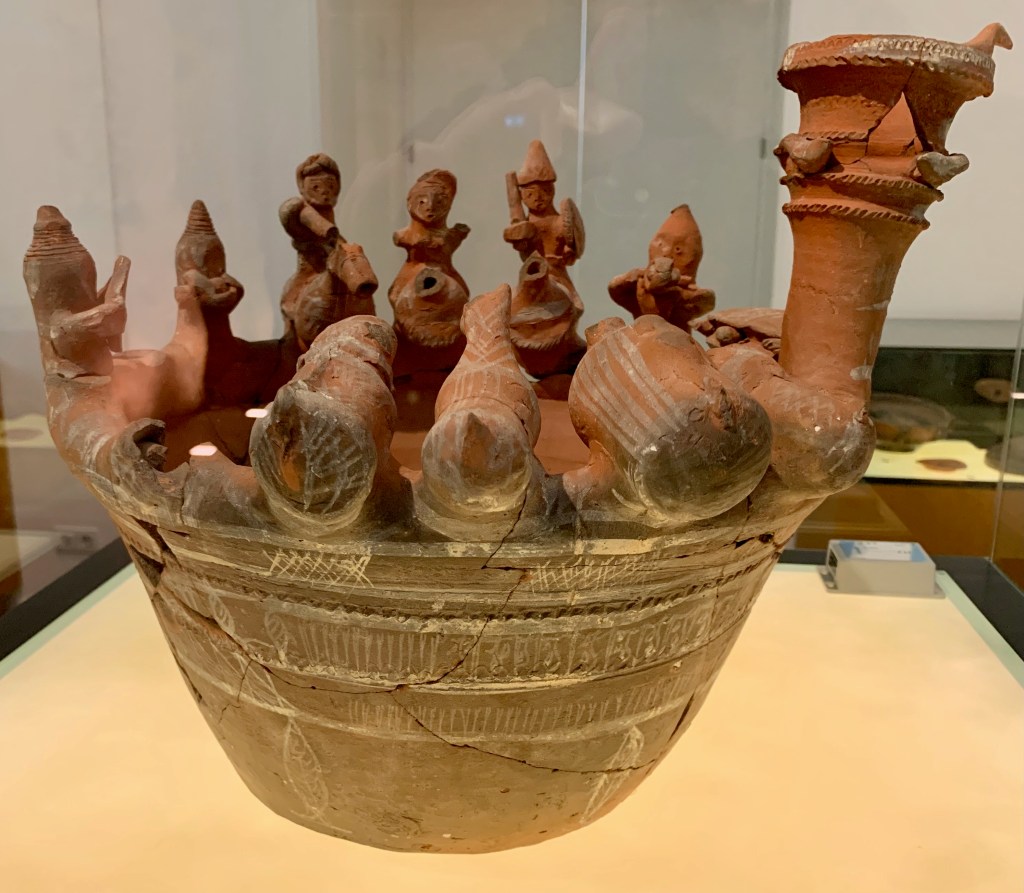
The current site of Tavira did not begin growing again until the Moors conquered most of Iberia in the 7th century A.D. To get a full flavor for this Moorish transformation of Tavira, you can visit the Islamic Museum, which is located off the main square by the tourist information office. Some of the exhibits demonstrate a high level of artistic and technical skill.
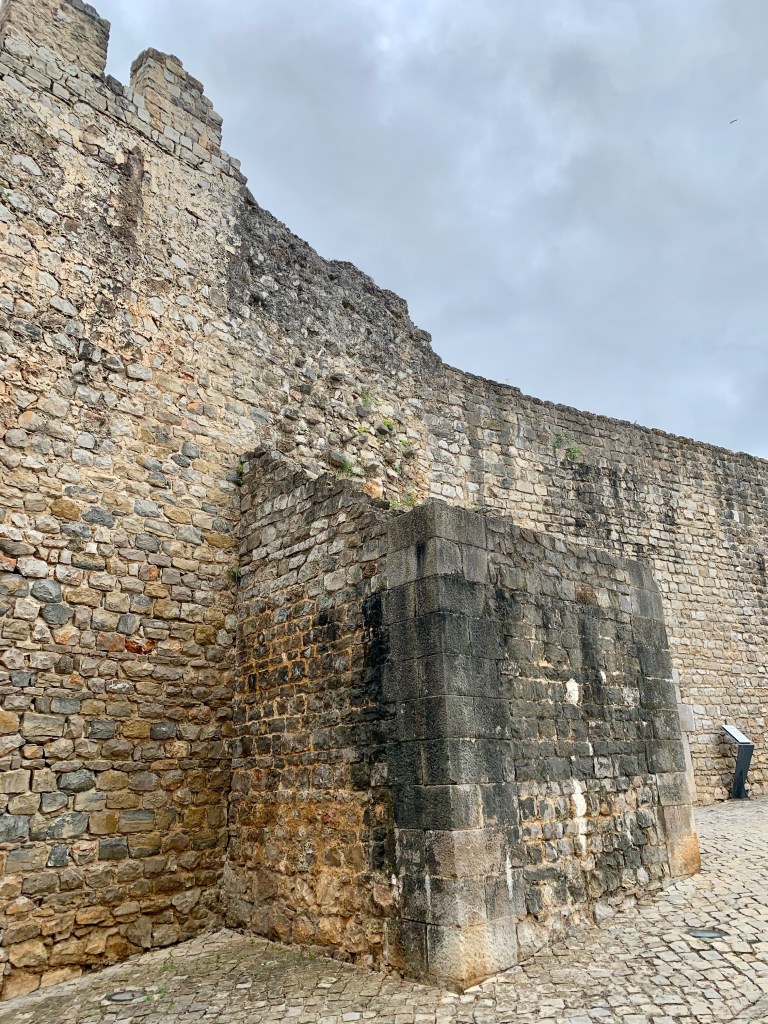
By the 11th century, Tavira had emerged as one of the major towns of the Islamic Algarve. Most of the ruined walls and fortifications that we see in Tavira today date from the Islamic period. For a good example, you only have to look to the left of the Phoenician ruins, where the Castello de Tavira looms up before you. Arguably Tavira’s second most important landmark, after the Roman Bridge, the Moors began building this on the town’s highest hill at the end of the 10th or early 11th century. This was a time when urban life in Tavira began to expand again, in part because of refugees fleeing the Christian advance in other parts of Iberia.
The Christians made many modifications to the castle and nearby walls after they recovered the town in 1242. Unfortunately, the castle sustained severe damage during the 1755 earthquake (the “Lisbon Earthquake”) and locals began repurposing the stones for their own buildings, even using the grounds as a cemetery during the 1832 cholera epidemic. The site was a mere jumble of ruins by the time the municipal authorities purchased it in 1938. An agency of the national government re-assembled parts of the castle during the 1940s, a period when the Salazar dictatorship (1926-70) restored historical buildings throughout Portugal to instill pride in the country’s past.
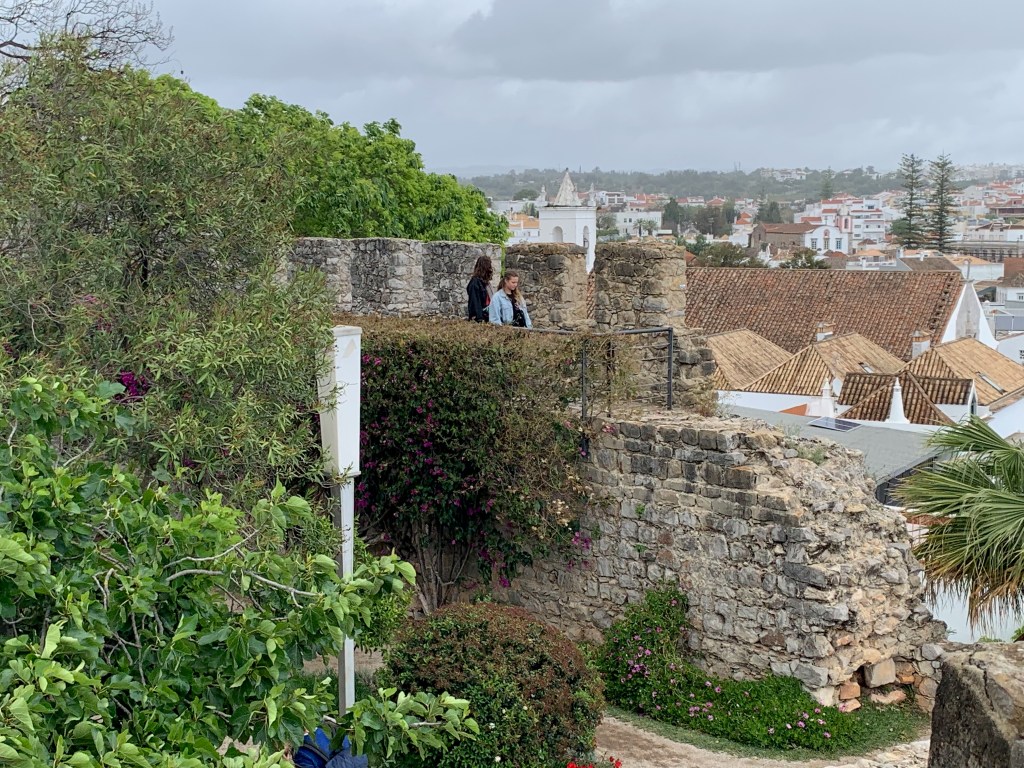
Never mind that some elements of the project appear out of place, like an abutment near the entrance that connects to thin air. The structure still looks like a medieval castle and that’s all most tourists care about as they stroll along the ramparts to enjoy views of the city.
One thing the Christians did abundantly in Tavira was build churches, about 30 of them. One of the most interesting, Santa Maria do Castelo, sits right next to the castle. The original structure was erected right after the reconquest, possibly on the site of the city’s main mosque. Inside, near the altar, you can view the tomb of Paio Peres Correia, the Portuguese warrior who “snatched” Tavira from the Muslims in 1242.
I say “snatched” for a reason. Some Christians on a hunting trip were ambushed outside of Tavira by Moors outraged that the men had taken advantage of a truce to ride through town in an insolent manner. Correia, who happened to be nearby with some of his knights, pursued the ambushers back to the city gates — which remained open, mirabile dictu! — enabling the Portuguese force to continue straight on through and capture the place.
Correia’s final resting place is marked by an inscribed stone plaque to the left of the church’s altar — or maybe not. Said plaque was inserted in the 18th century based on local tradition that the famous warrior is buried there; nobody knows for sure. In fact, the Monastery of Santa Maria de Tentudía near Badajoz, Spain, which was founded by Correira, claims that it houses his tomb. So, take your pick.

The Christian reconquest didn’t end Tavira’s strategic importance in the Christian/Muslim conflict. In the 15th and 16th centuries, Tavira served as the main embarkation point for Portuguese expeditions to seize territory in Morocco. In 1508, for example, an estimated 25,000 soldiers assembled in the town to aid a Portuguese fortress under siege by the Moors. Several Portuguese kings passed through town on their way to or from Morocco. Infante Dom Henrique, better known as Henry the Navigator, was made a duke in the Santa Maria church in 1420, following his return from a Moroccan expedition.
A disastrous defeat in 1578 marked the end of Portugal’s empire-building in Morocco. However, pirates from North Africa remained active along the Algarve coast into the early 19th century, forcing the government to build a string of forts and watch towers to guard against this threat. Ruins of several can be seen today in the Tavira area.
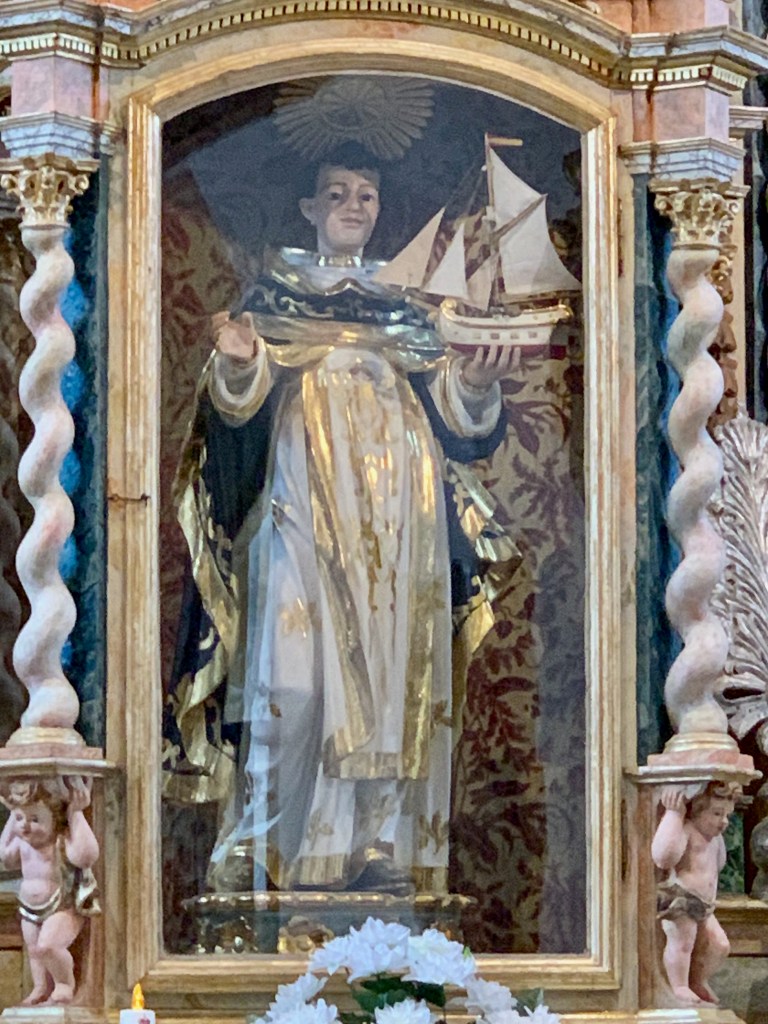
Tavira received an unexpected boost in status after the famous 1755 Lisbon earthquake, which also devastated large parts of the Algarve. Tavira, however, escaped relatively intact, with only two reported deaths and a few prominent structures (like the Santa Maria church) destroyed or damaged. Because of more extensive destruction in Lagos, the region’s governor general shifted his operations to Tavira and the region’s administrative capital remained there until 1834, when it was moved to Faro, which had, by then, superseded Tavira as the largest town in the Algarve. Tavira did, however, get a big economic boost in the late 19th century when it became the center of tuna fishing in the eastern Algarve.
In 1795, work began on the Atalaia Barracks to facilitate the transfer of an infantry regiment from Faro to Tavira. The French invasion of Portugal (1807) during the Napoleonic Wars and other disruptions delayed completion of this project until later in the 19th century. The barracks saw its most active use during Portugal’s misguided colonial wars in Africa, from 1961-74.
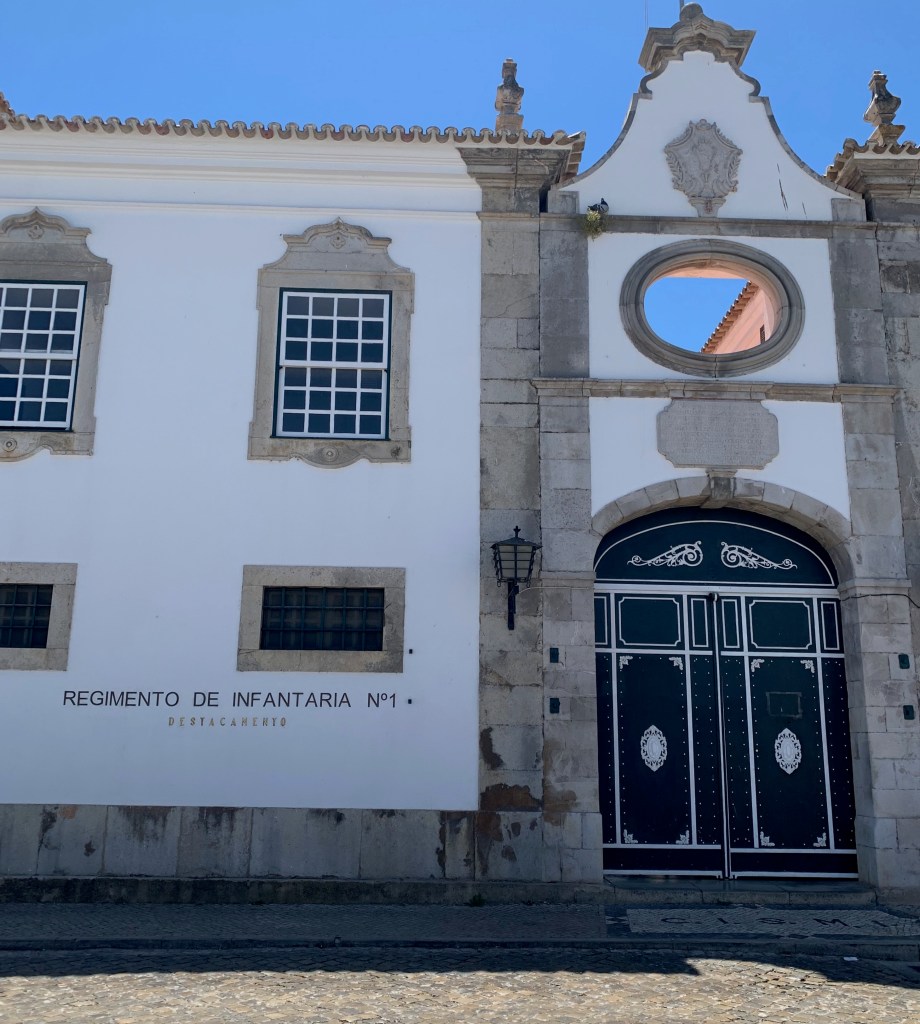
We can view the barracks by taking a southerly five-minute walk from the Tavira castle via the Rua da Liberdade in the direction of the San Francisco church. Turn left at the Rua do Poeta Isidoro Pires and there it is, with block letters announcing “Regimento de Infantaria No. 1” to the left of the main doorway. There are no longer any troops garrisoned here, however. The main body of the regiment was transferred to Beja, in the Alentejo, with only a detachment remaining in Tavira.
Occasionally soldiers in camouflage can be seen about town and every Saturday, at 8 a.m., I hear a bugle call for reveille coming from the building.
Travel Note: Much of the historical detail provided above derives from work by Peter and Lynne Booker of the Algarve History Association, including articles published on the Association’s Website and a walk around Tavira conducted by Peter.
Visitors may also want to access Heritage Navigator Tavira, a website with detailed descriptions of historic sites in Tavira.

 Two Clines Traveling
So glad to have y’all back writing!! Looking forward to your next!
Carolyn
Sent from my iPhone
LikeLiked by 1 person
Wow! What a beautiful post. Thanks for the writing, photos and design.
LikeLiked by 1 person
Bina and Ken, I love that you moved to Portugal! I am envious, but given our age, it would be foolhardy to head out to another ex-pat life. The location is great and I think there is a lot of good birding too. Best wishes for your continuing explorations. Collie
LikeLiked by 1 person
Very interesting historical insights on Tavira.
LikeLiked by 1 person
Bina and Ken, Thanks so much for sharing your travels . It’s so nice to learn about places I’ve never visited and as seen through your eyes. Praying you will stay safe, healthy and happy to share more experiences. Jan Colburn
LikeLiked by 1 person
Hello you two traveling Clines! Loved reading this very informative article today as I’m still stuck in California a bit longer. (Our first rainy day in forever!) Tavira remains my favorite place in the Algarve – just learned a whole lot more about it and Portugal thnx to this wonderfully researched post! Thank you!
LikeLiked by 1 person
Thank you for sharing this with all of us.
LikeLike
So interesting! I learned a lot.
LikeLike
Glad you enjoyed it!
LikeLike