We arrived in Kilimanjaro airport on the night of September 29, truly not knowing what to expect.
This safari was as far outside our comfort zone as we had ever gone, leaving us unsure of what to expect from the lodgings, food, and the tour itself. Of course, we had talked to friends who had been to Tanzania, asking all the questions we could think of. But a feeling of trepidation remained about doing something for the first time. As far as trips go, this was a biggie and lots of things could go wrong.
We felt relieved, then, when a representative from Gosheni Safaris greeted us, as arranged, after we cleared customs. He drove us to the Kibo Palace Hotel in the city of Arusha, an hour’s drive away, where we enjoyed a comfortable night’s sleep. So far, so good.
Further encouragement came the next morning when we met Hassani, the driver/guide assigned to take us into the Tanzanian parks. Jovial, friendly and fluent in English, Hassani set us at ease immediately. We climbed into his Toyota Land Cruiser for a ride to Gosheni’s Arusha office to arrange payment. Meeting Gosheni’s owner, Peter Robert, provided an additional level of comfort. Then we hit the road around 9 a.m., heading west to our first stop, the Tarangire National Park, arriving two and a half hours later.
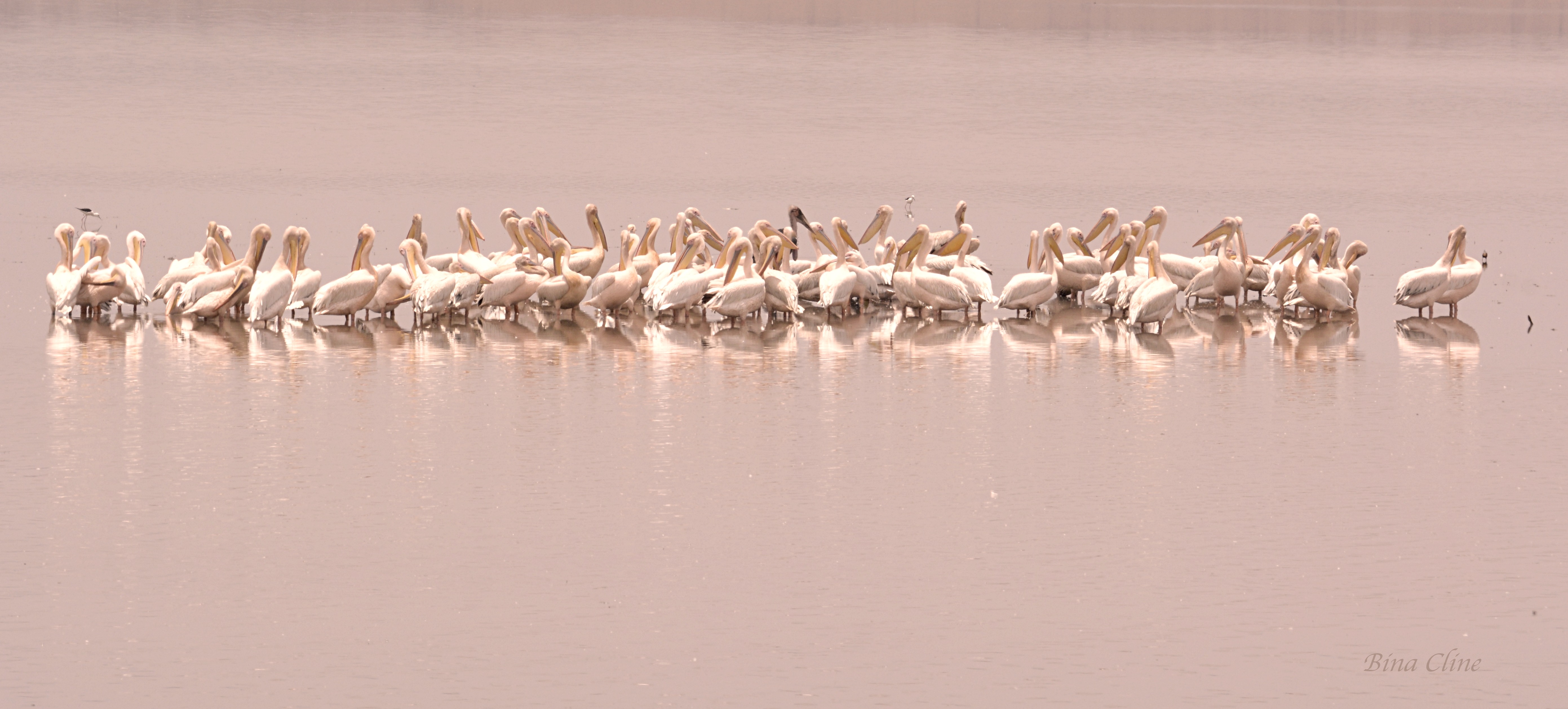
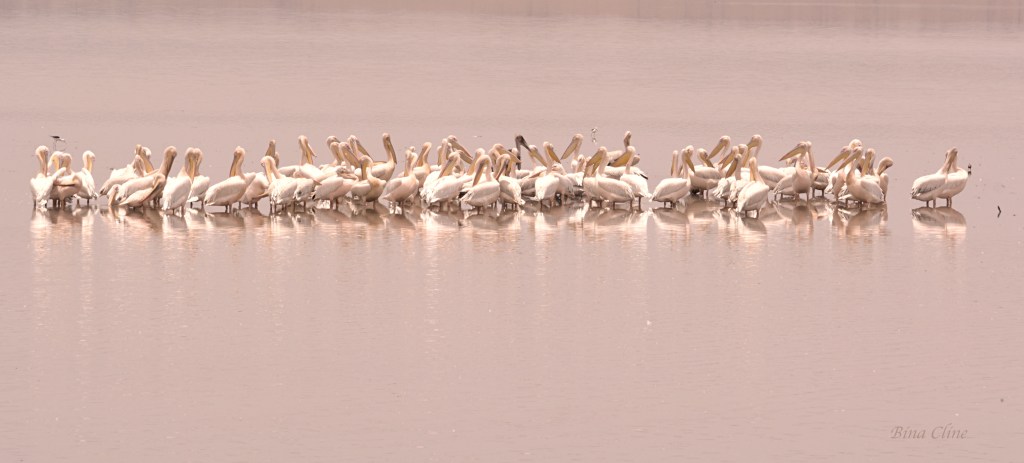
Tarangire is the sixth largest park in Tanzania, covering 2,600 square km (1,600 miles). Its most important feature is the Tarangire River, which attracts about 250,000 migrating animals during the dry season (May to October). The Silale Swamp, another major landmark, functions as a magnet for shorebirds, such as Great White Pelicans. The rest of the landscape consists of grasslands and dusty hills.
Tarangire park is best known for its dense herds of elephants, up to 6,000, the most in Tanzania, and Baobab trees. The Baobab is called the “tree of life” for its ability to survive 600 years, retain up to 300 liters of water in its massive trunk, and produce a nutrient-dense fruit.

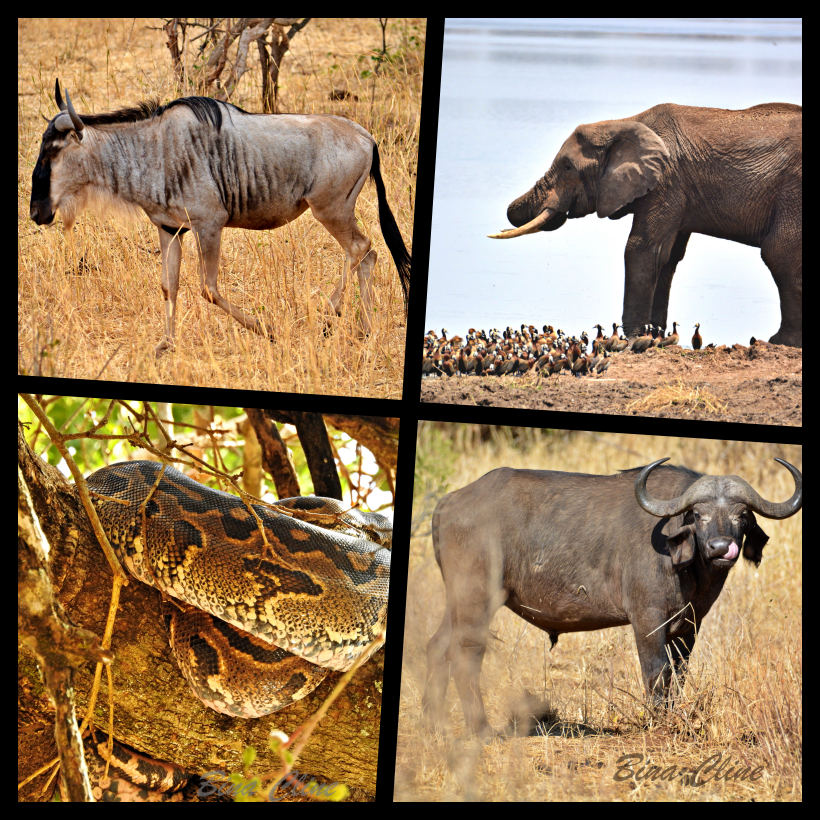
During our first afternoon in the park, we saw plenty of those elephants, as well as zebras, giraffes, warthogs, lions, wildebeest, impalas, baboons and ostriches — and a python curled in a tree. Hassani had raised the jeep’s roof so that we could stand up to take photographs — particularly helpful to Bina with her long-range lens, which she steadied on the rim with a beanbag.
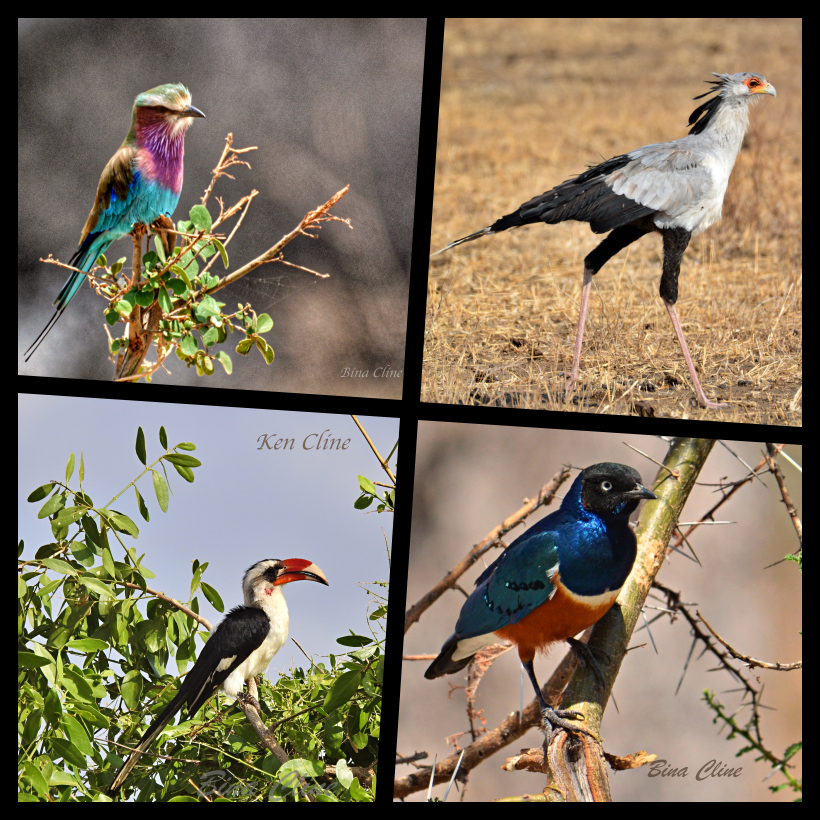
In addition to his game-spotting skills, Hassani proved to possess a keen eye for birds. Time and time again, he would spot one on a distant tree limb or bush and identify it before we could even pick it out. Since we enjoyed bird-watching, this provided an unexpected bonus for us.
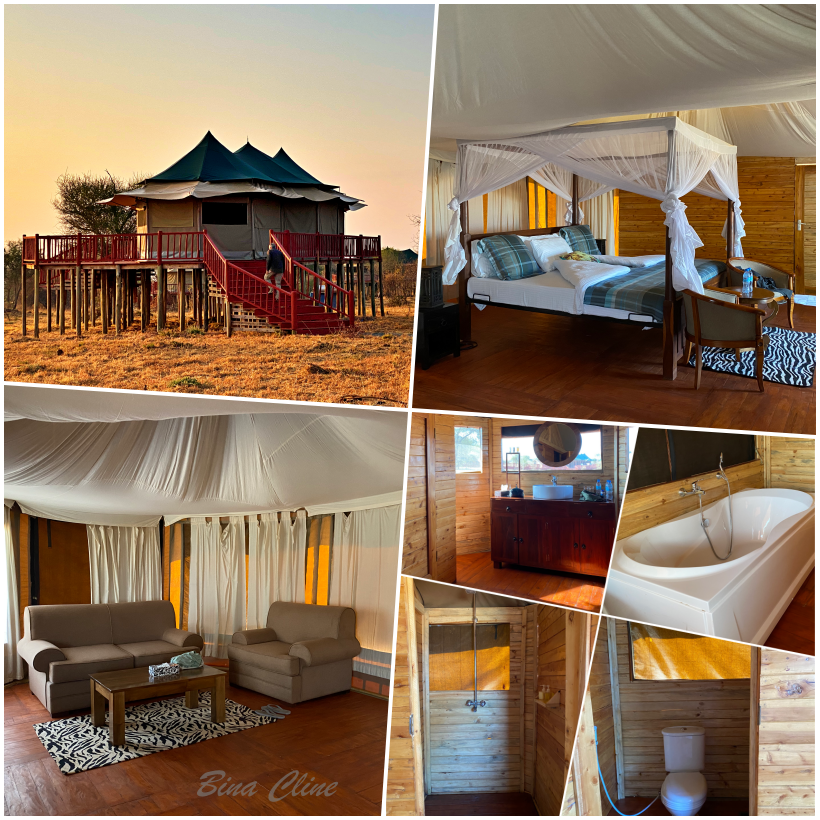
Our lodging for the night was the Tarangire Acacia Camp (owned by Gosheni), which consisted of large tents on wooden platforms. Far from spartan, these tents included large beds, tables, chairs and a bathroom with showers and hot water. In the communal dining tent, we enjoyed a buffet of meat dishes, salads, vegetables, rice or potatoes and dessert, served with bottled water and coffee/tea. Wine or other alcoholic drinks were available for an extra fee. This was camping in style, complete with zebras nosing around the grounds at night.
The next morning, Hassani dropped Bina and me off at a ranger station for an arranged bush walk. Our guide, named Saichi, wore army green and carried an automatic rifle. This is standard practice in Tanzanian wildlife parks, which enforce strict rules to protect tourists. Safari drivers, for example, risk heavy fines if they venture off the established roads or allow someone to take a bathroom break outside the vehicle, except at designated rest stops.
As we walked along, Saichi instructed us on the various animal scat, which was prolific on the trail. Indeed, you can learn a lot from poop. For example, elephant droppings are packed with half-digested grass, which can later be consumed by zebras and birds. That’s because elephants don’t absorb nutrients very well, forcing them to compensate with volume, typically spending up to 22 hours a day browsing for food.
Hyena scat, by contrast, is white from calcium because those skulking scavengers ingest a lot of bones.

Tse-tse flies pestered us unmercifully during the walk, forcing us to spend much of our time waving our arms around our hands and faces. Beyond the annoyance, tse-tse fly bites can potentially transmit sleeping sickness. Fortunately, this disease was not prevalent in our area during this time. And neither was malaria, thankfully, although we encountered some mosquitoes in the evening.
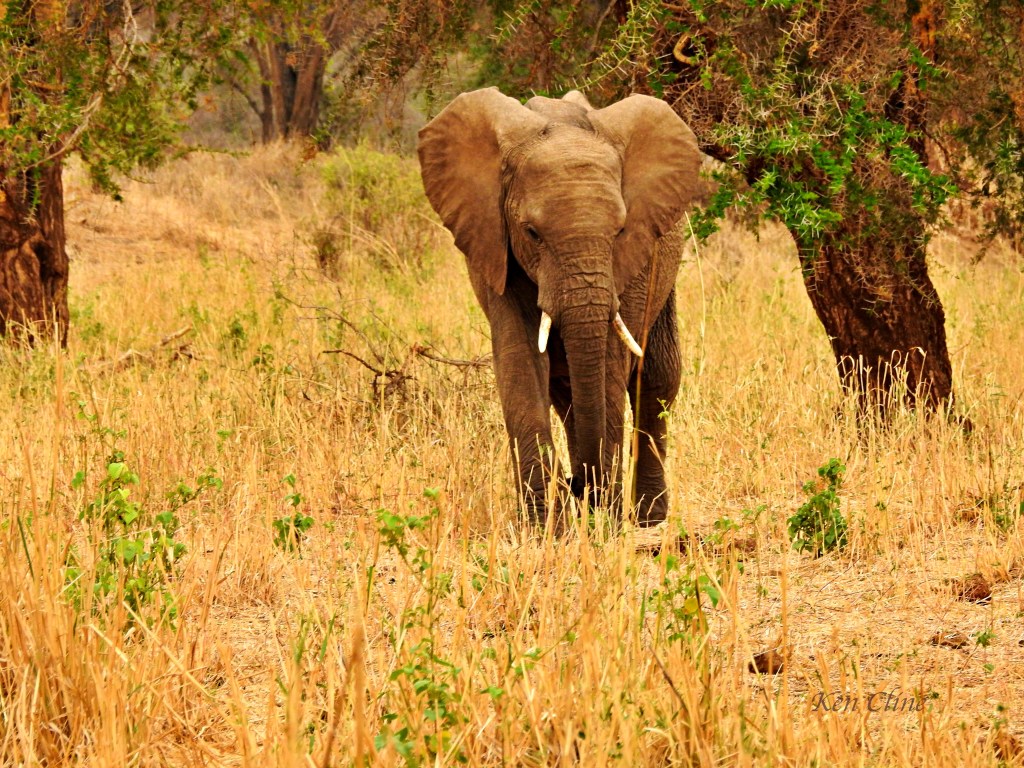
On our return to the ranger station, we noticed an elephant following us. Initially, this struck us as cute, until a note of alarm crept into our thinking: elephants can charge at you, right? Saichi did not express any worry — he carried the rifle, after all. But he did take evasive action by having us walk off the trail to the left. Didn’t work; elephant still following. We returned to the trail, moving at a faster clip and then deviated to the right side.
The elephant gradually shuffled to a halt, lifted its trunk to sniff the air and then slowly turned around. Why?
Saichi had simply positioned us so that the breeze carried our scent to the elephant. Like most wild animals, elephants try to avoid humans but poor eyesight makes it difficult for them to identify anything past 10 meters (11 yards). Instead, they rely on their sense of smell, which is is the strongest of any mammal, including dogs. Studies have shown that elephants can scent food up to 19 km (12 miles) away.
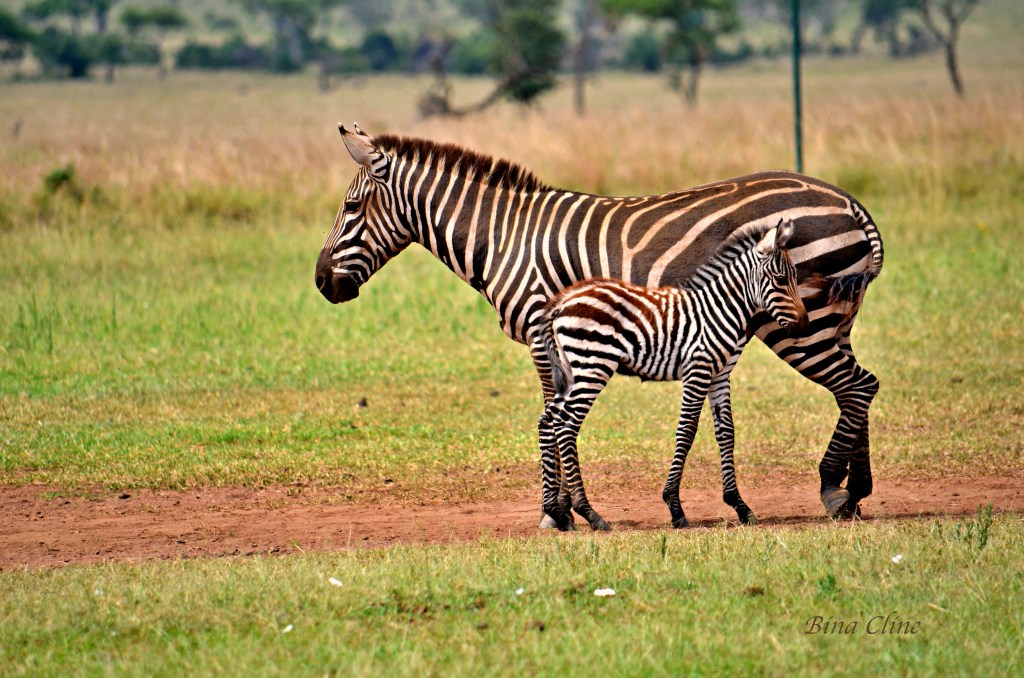
The zebra is another animal with a keen sense of smell, which is why wildebeest, impalas and buffalos cluster around them. When standing in a field, zebras will often position themselves side by side, but facing opposite directions. This enables them to sense danger around a 360 degree perimeter.
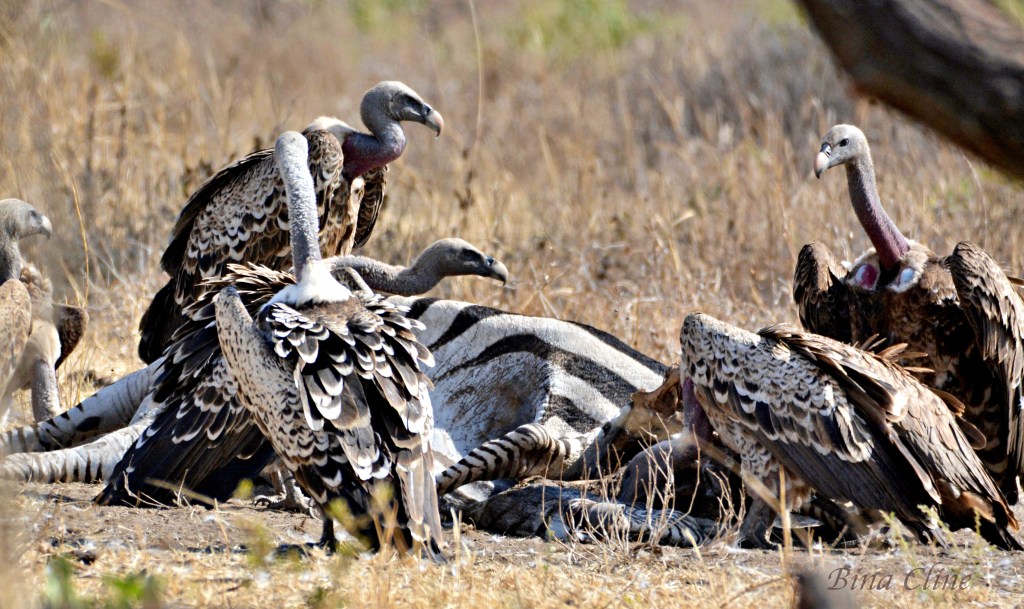
Zebras can still be brought down by lions, however, and certainly by illness or old age. Later that afternoon, we passed a zebra carcass covered with vultures squabbling among themselves to pick at the remains. Hassani explained that the largest vultures acquire the best bits for themselves, leaving the rest for the smaller ones. At night, when only skin and bones remain, the hyenas move in for clean-up duties.
On October 2, our last morning in Tarangire Park, we began the journey to the next destination, the Ngorongoro Crater. On the three-hour ride to the gate, Bina counted 32 different animals of various species crossing the road right in front of us, not including any from the herds we could view off to the sides. That gives you an idea of how much wildlife is to be found in Tarangire Park.
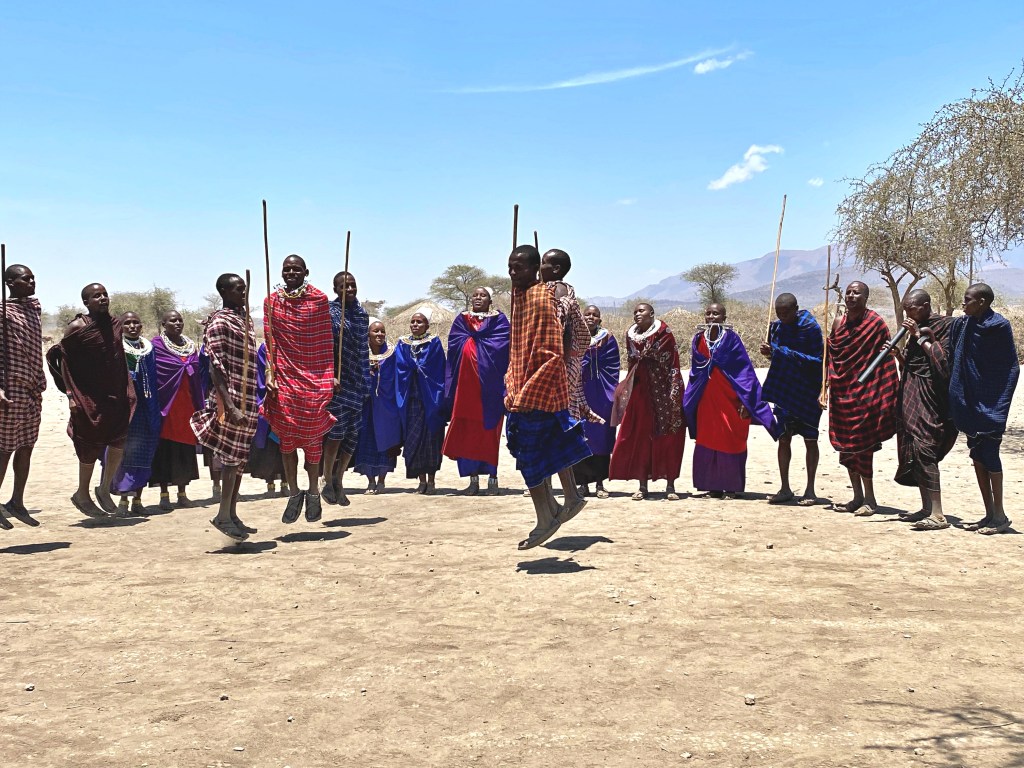
Shortly before 1 p.m., while driving the paved road to Ngorongoro, we stopped at a Maasai tribe village. The Maasai, about 800,000 strong in Tanzania (another half million live across the border in Kenya), inhabit the northern part of the country near some of the major game parks. Many of them still pursue a traditional lifestyle as cattle herders.
A group of villagers greeted us in their native costumes, performed a welcoming dance and then took us on a tour of their compound. This consisted of round houses made of tree branches, mud, grass and cow dung enclosed by a wall of acacia thorns known as a kraal, which protects the Maasai cattle from marauding lions.
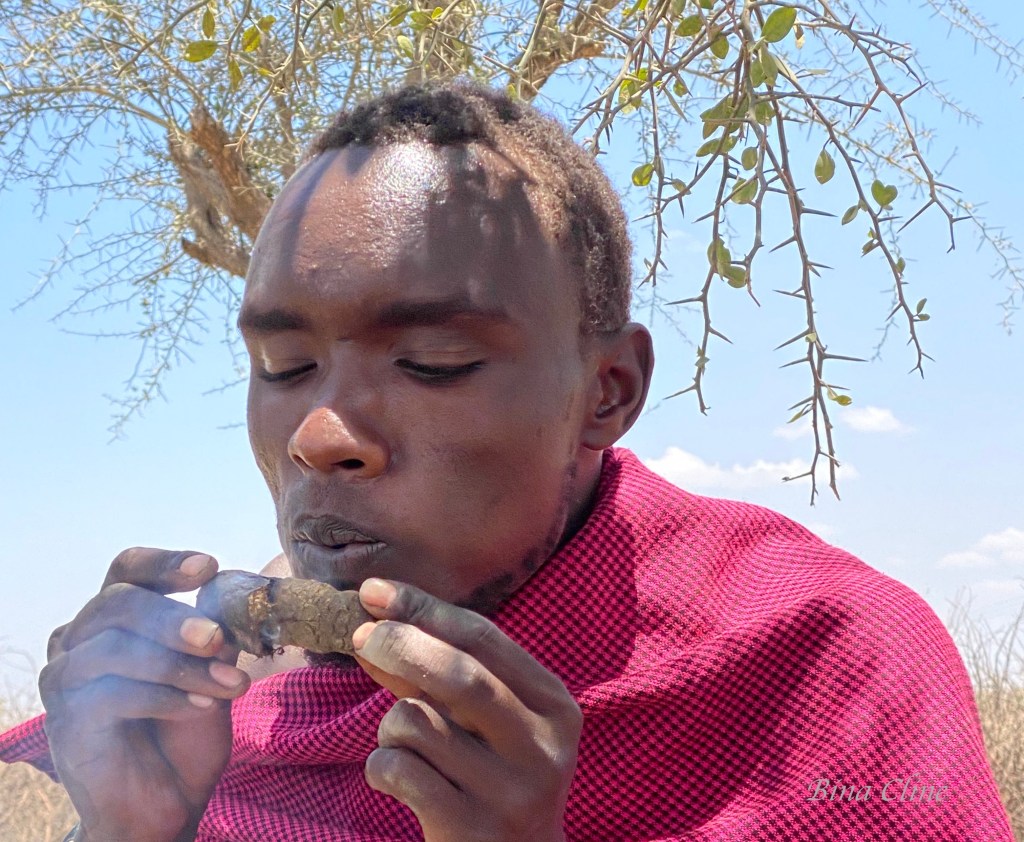
They showed us how to start a fire from scratch, with a stick, tinder and rocks, and took us for a tour of their village kindergarten, where we watched the children chant their numbers, in English. When older, they would attend a government elementary school in a nearby town — and perhaps, eventually, seek a way of life different from their parents.


Just fantastic!!
Sent from my iPhone
<
div dir=”ltr”>
<
blockquote type=”cite”>
LikeLike
Love all the great details you have included! I felt like I was there with you for a bit! So thrilled for you both!
LikeLike
Thanks, Scott.
LikeLike
Thanks, Debbie. Glad you enjoyed it!
LikeLike
Incredibly interesting with fantastic photos. Thank you for sharing. It makes me want go go back to Africa!
LikeLike
Thanks for the comment, Sandy, and hope you can make that return visit!
LikeLike
Great!
LikeLike
This post proves that a really interesting subject is one way to make photos different. Congrats on the galleries, too. Well done. Love the “just enough” writing. Include the telling point and leave the reader wanting even more. Thanks!
LikeLike
Thanks, Clint. It’s definitely a matter of figuring out the right balance between photos and text. They need to support each other.
LikeLike