Our journey to Croatia began with a muddle in Ljubljana, Slovenia. We woke up to a drizzly morning, which meant a walk in the rain after breakfast to a street corner half a kilometer away from our hotel. There, we were scheduled to pick up a taxi to connect with a van to take us to Zagreb airport across the border in Croatia. But the transport company switched cabs at the last minute, leading to a confused and wet scramble to find the right one.
It all sorted itself out in the end; we found the taxi, which found the right van, which happily was still waiting for us. The van brought us to Zagreb airport by noon, where we picked up our rental car from Avis. We went through all this hassle because it was cheaper to rent a car in Croatia and drop it off in that country rather than to do the rental in Slovenia.
As for why we decided on a car rental, Croatia is nearly three times larger than Slovenia, with a 1,000-mile coastline. Also, our first destination was the Plitvice Lakes National Park, which can’t be reached easily by anything other than rental car.
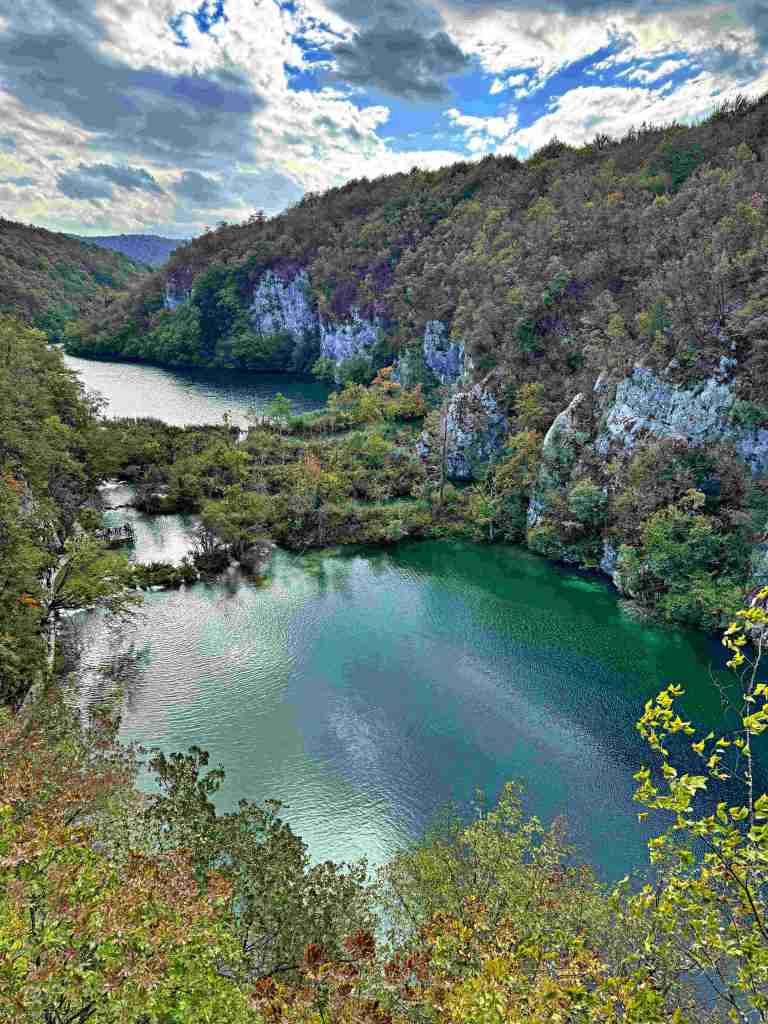
Our theme for this entire trip was “natural beauty” and Plitvice fits the bill. It’s Croatia’s largest park, 295 square km (114 square miles), and renowned for its 16 lakes and numerous waterfalls. We had planned to spend two days there, but the weather had a say in that.
With forecasts calling for rain the second day, we made sure to hit the park’s high points on the first. That meant hiking both the upper lakes trail and the lower lakes trail, 12 km in all (7.4 miles), for a total of four hours, including a half hour stop for lunch. Fortunately, we enjoyed a mostly sunny day with a cooling breeze. The only downside was the crowds; you can’t walk the main paths in Plitvice without sharing the trail with a hundred of your closest friends.

With the next day a total washout, we decided to head for the coast instead. By the time we came down from the mountains into the lowlands, the clouds had cleared enough to allow occasional patches of sun. Our hotel that night overlooked an estuary of the Adriatic near the port of Zadar, where we enjoyed a sunset walk along the beach and grilled sea bass and calamari at a nearby restaurant.
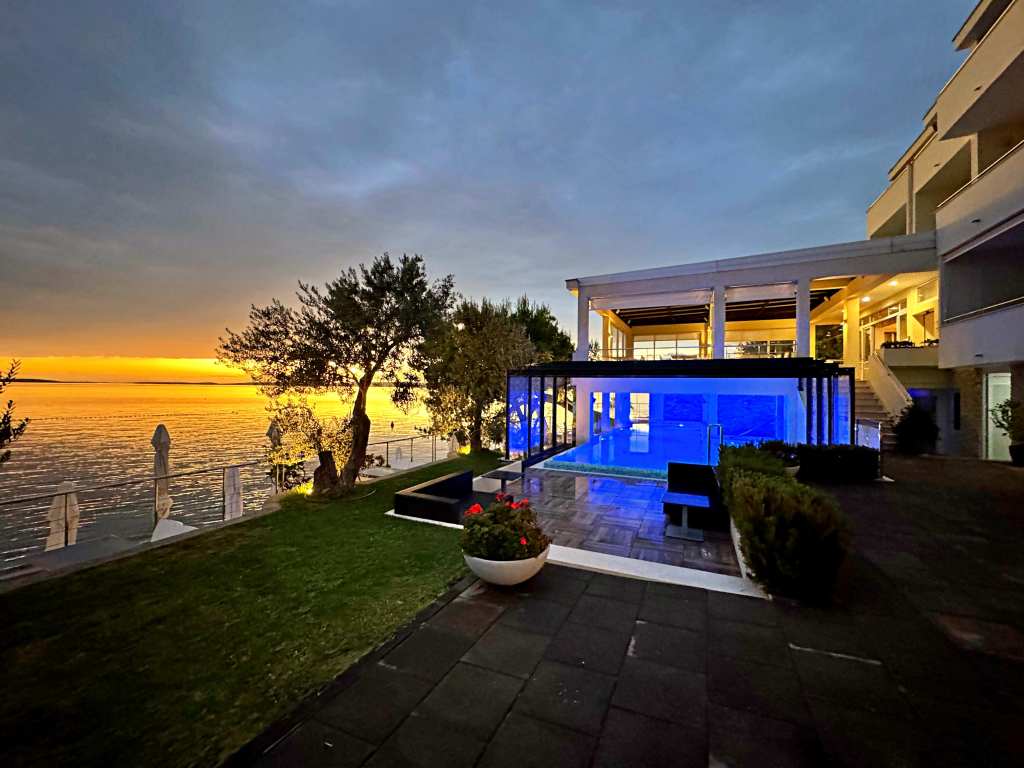
We drove to Zadar the next morning to walk around the old town, which is situated on a narrow promontory jutting into the Adriatic. This is the oldest continuously inhabited place in Croatia, dating from the 9th century B.C. and featuring remains of a Roman forum, a few medieval churches and fortifications built by the Venetians.
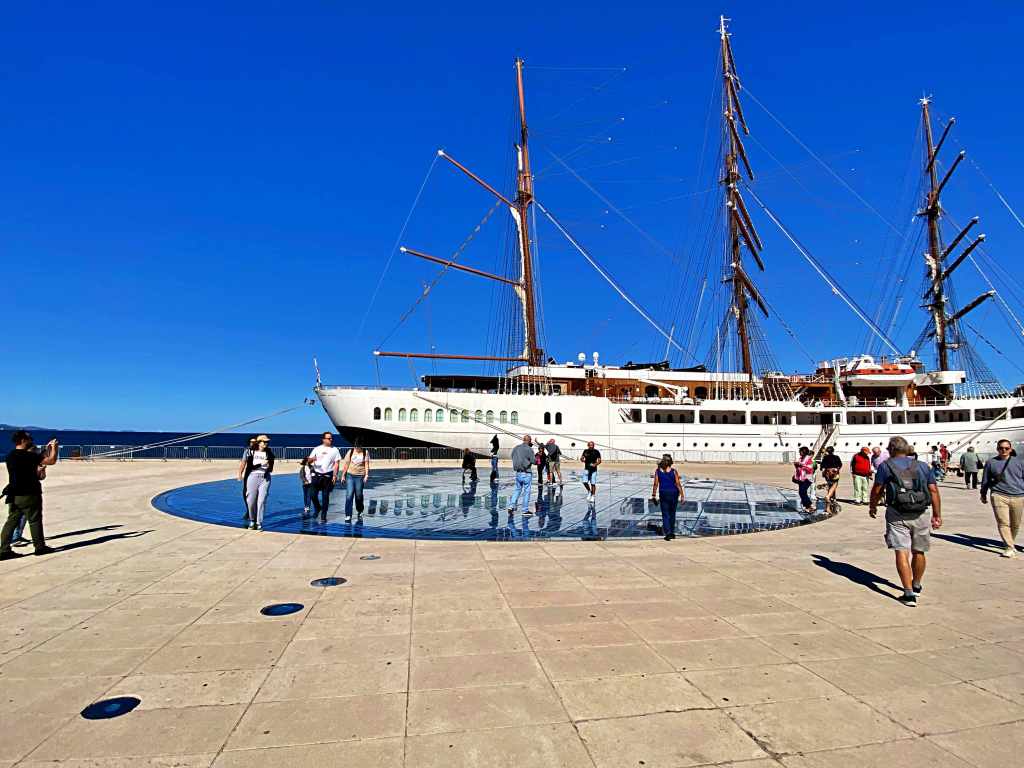
Tourists can also enjoy two modern art installations designed by Croatian architect Nikola Bašić at the tip of the promontory: the “Sea Organ” and “Greeting to the Sun.” The former consists of subterranean pipes that make sounds resembling whale calls from the ebb and flow of the tides. Sitting on the steps above the pipes watching the ocean is like hearing the sea talk to you in its own special language. The other attraction is basically a light show that doesn’t operate in the middle of the day.
Continuing on further south to Split, we took the scenic route along the Adriatic coast (as opposed to the four-lane motorway further inland), but found the experience marred by the distraction of having to match the car’s speed to a plethora of speed limit signs — and cameras — along the way. And you do have to pay attention; social media is full of complaints from unwary foreigners who got hit with heavy fines.
After returning the rental car at Split airport around 5 p.m., we took Uber into town to reach our rented apartment, which was situated right across the park from Diocletian’s Palace, the best preserved remains of a Roman palace to be found anywhere in the world.
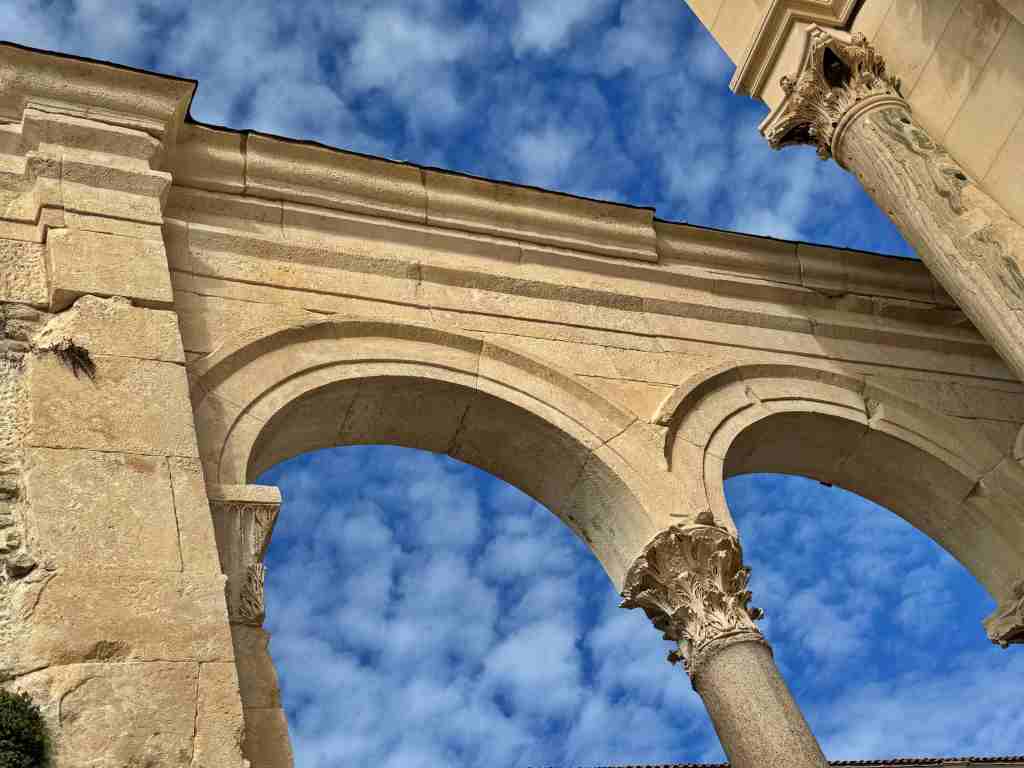
No admission was required to enter the palace area the next day because it’s an actual, living “city” rather than an enclosed historic site; you can wander around at will, although there are a few small museums that charge for admission. From its beginnings in the fourth century, this enormous complex (7.5 acres or 3 hectares) provided accommodation for the imperial family along the “good view” seaward-facing side while their servants and bodyguards clustered near the land gates. As the empire fell apart, people of all classes sought shelter within the palace walls and an estimated 3,000 still live there today, in apartments that rank among the most valuable real estate in Croatia.
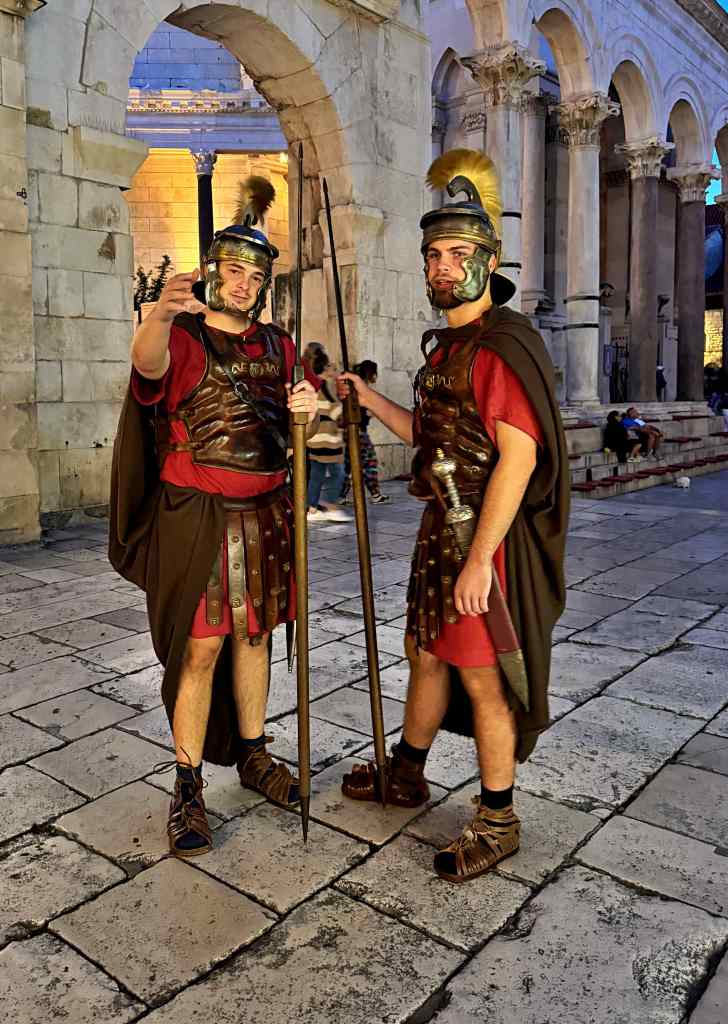
Although Diocletian’s name has always been attached to the site, no physical link to him, such as statues or inscriptions, has ever been found. That’s because this emperor was known for persecuting Christians during his reign and all memorials to him were destroyed when the empire converted from paganism. Only some decorative art, such as sphinxes from Egypt, still remain on site to remind us of him, since Diocletian was a great fan of Pharaonic art.
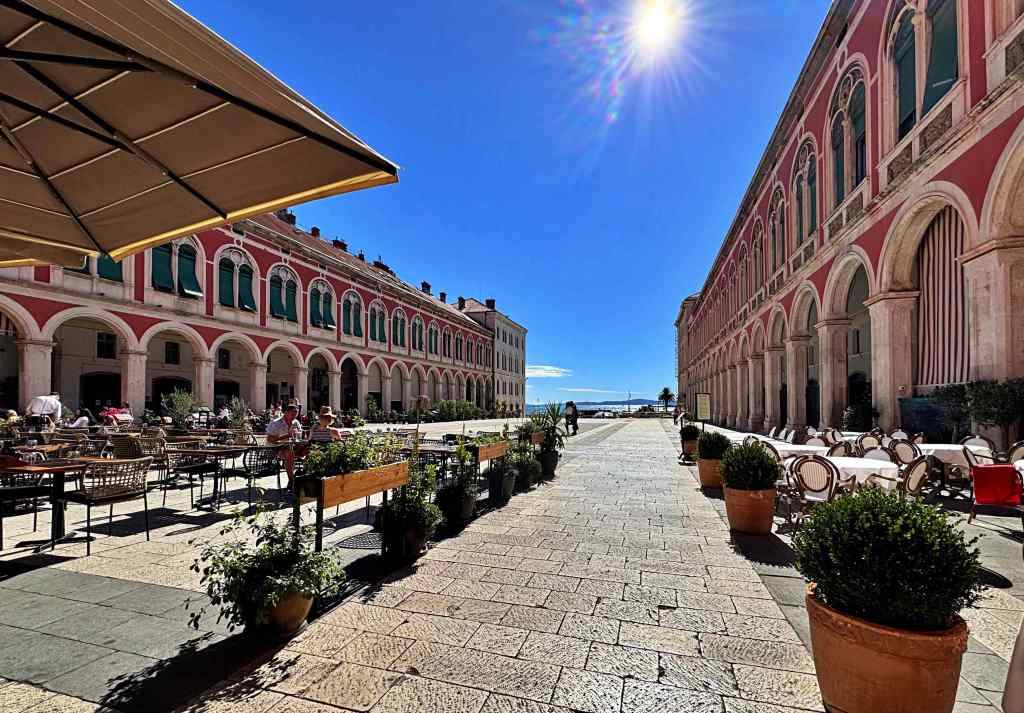
We learned these tidbits from our walking tour guide named Boris, who was also good at explaining other aspects of Croatian culture and history. Comparing his country to Slovenia, for example, he noted how the latter absorbed its influences from Germany and Austria while Croatia took its cultural cues from Italy, right across the Adriatic.
“Croatians are more like southern Italians in the way they like to argue with each other, make a lot of noise, and then forget it all afterwards,” Boris said. “It’s a more direct way of dealing with life.”
The next day, we took a nearly five-hour bus journey to Dubrovnik, further south on the coast. After checking in at our hotel and having lunch, we had enough time left in the afternoon to take the cable car up Srd Hill, which overlooks the old city (412 meters, or 1,352 feet).
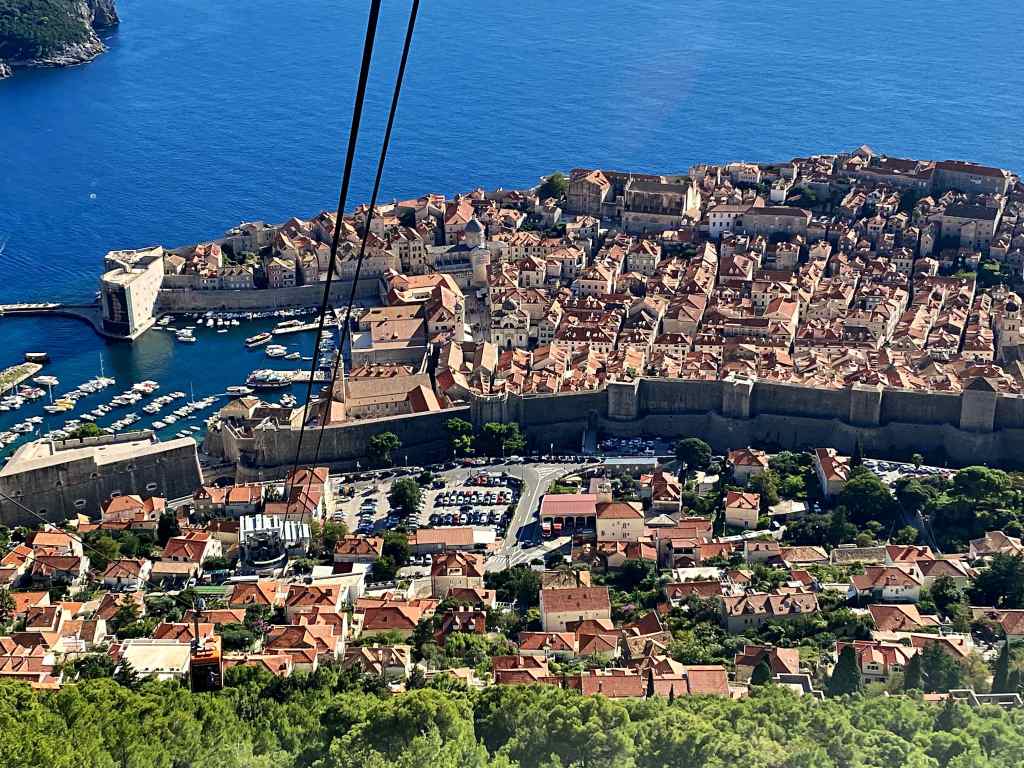
The hill’s summit includes a fort dating from Napoleonic times that contains a museum dedicated to the 1991-92 war between Serbia and Croatia. Browsing through the exhibits and videos here was an eye opener for us. Serbian forces besieged Dubrovnik for eight months, earning international condemnation for damaging many of the historic structures in the old town with mortar and naval gun fire. Determined resistance by Croatian troops stationed on this strategic hill kept the city from falling. As Bina noted, “And all this happened in our lifetimes!”
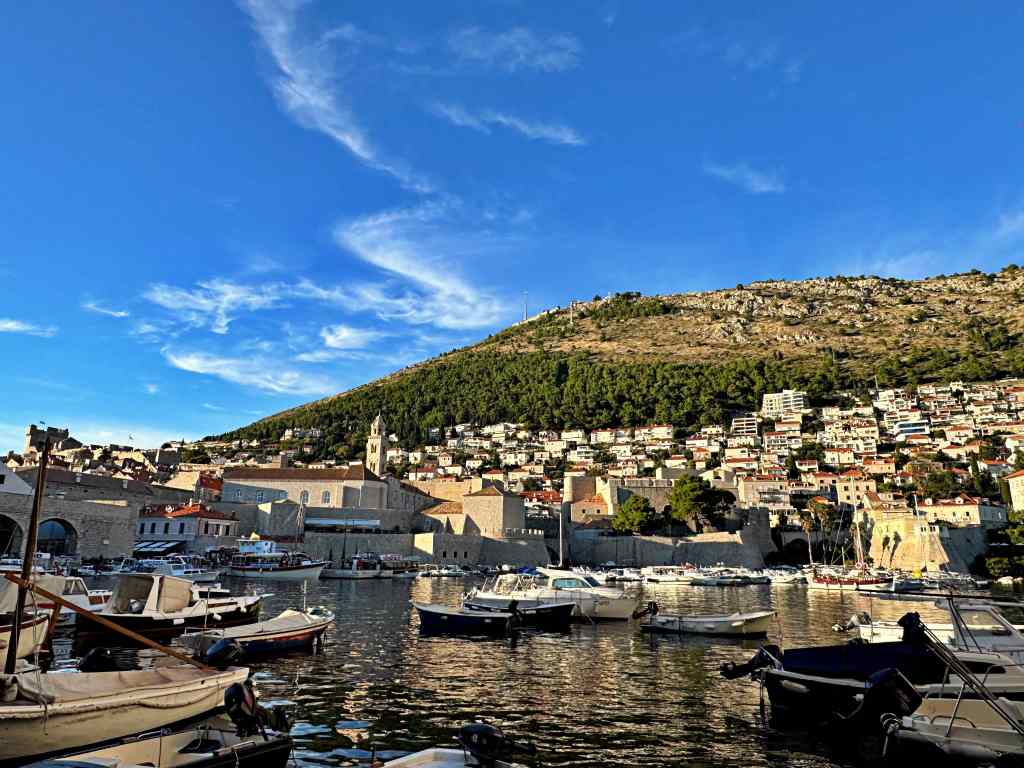
Taking the cable car back down the hill, we entered the old town and walked around a bit. Dubrovnik is a photographer’s dream, with its city walls and medieval-to-Renaissance era churches and buildings.
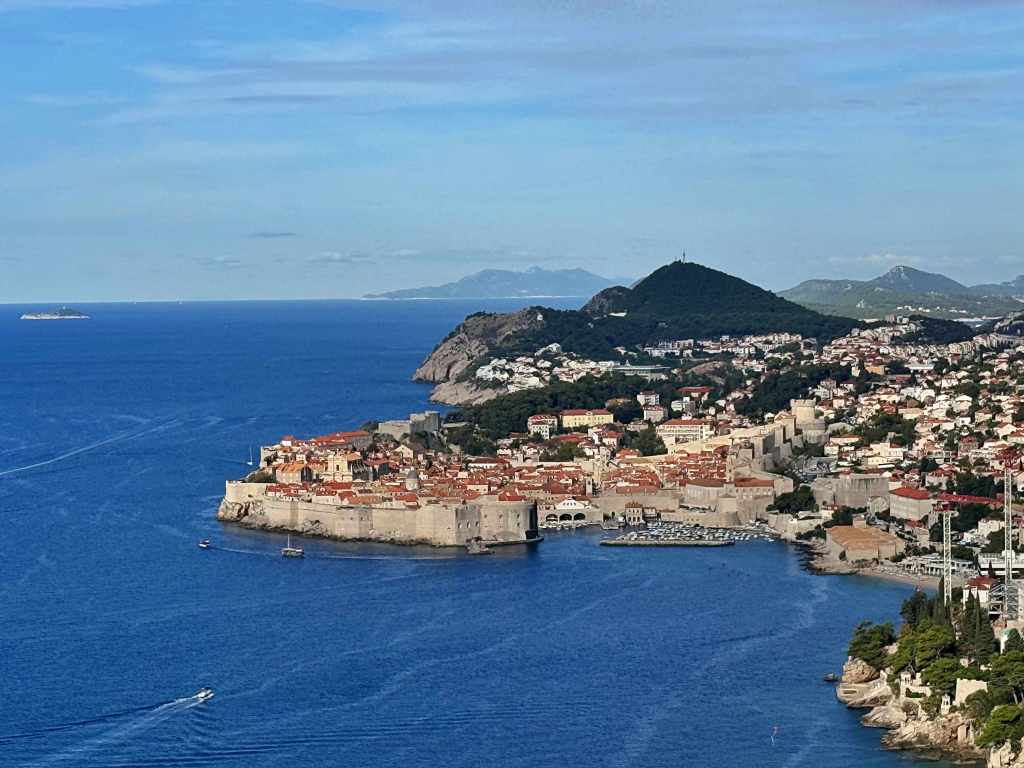
We were amused at all the shops selling “official” merchandise related to the TV series Game of Thrones, which filmed some episodes here.


 Two Clines Traveling
Really nice post. Thanks for the insights and anecdotes. You make landscape and night photos look easy, and I know there’s a lot to think about.
LikeLiked by 1 person
Thanks, Clint. Bina, of course, handled the landscape and night photos and did a terrific job, as usual. Writing was tricky for me on this one because of the constant changes of scene so glad you liked it!
LikeLike