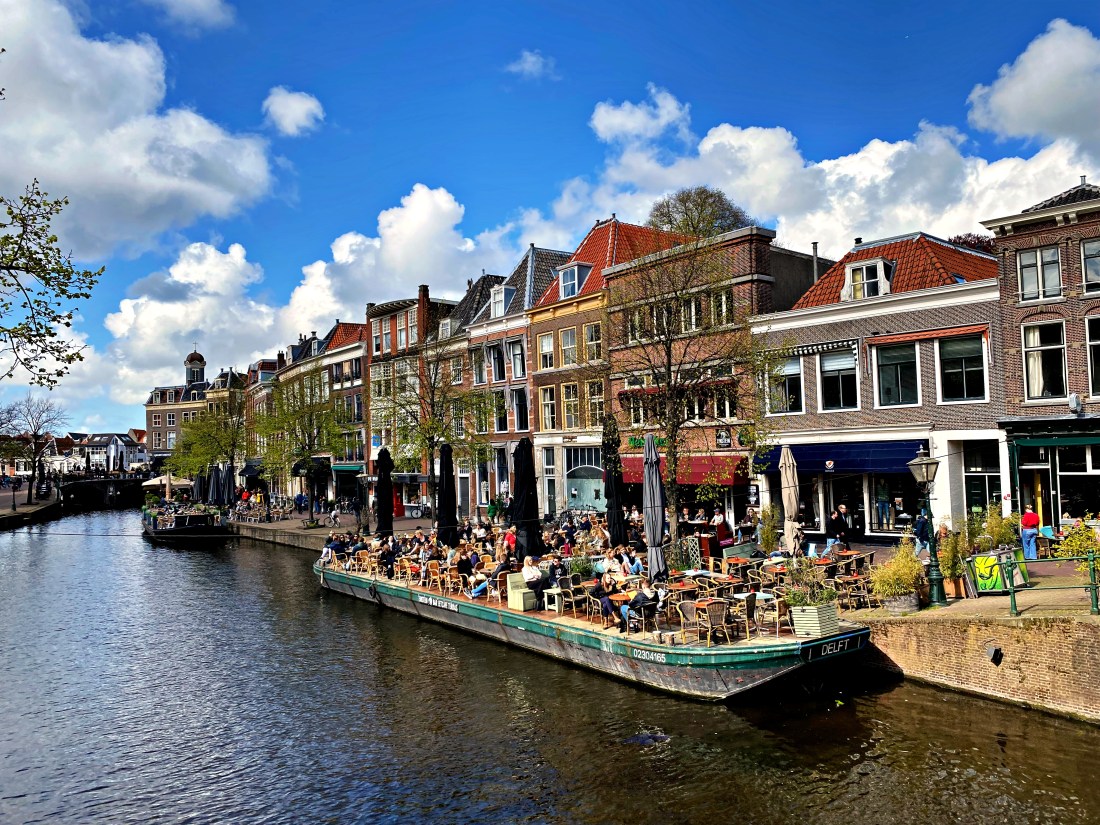
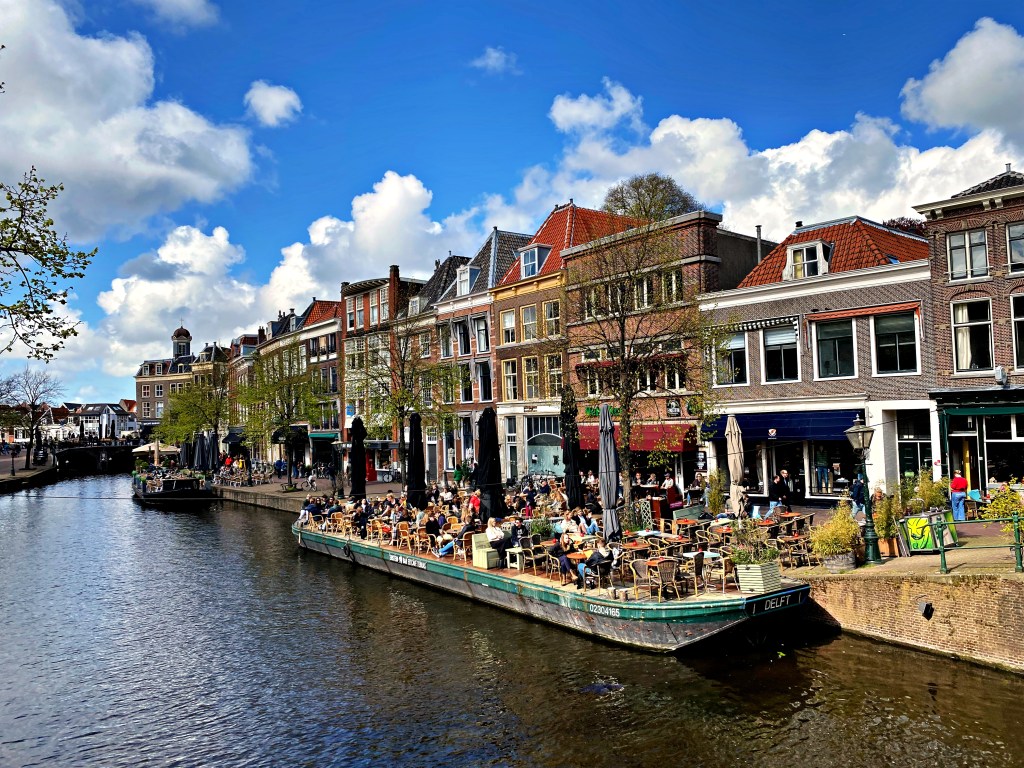
Leiden is a city of canals (covering 28 km, with 88 bridges). In fact, the name derives from the Germanic leitha (canal, or modified waterway). It flourished in the 16th and 17th centuries as a weaving, printing and university center, the second largest city in Holland, after Amsterdam. Walking through the old town involves crossing one canal bridge after another to visit the museums, shops and cafes lining the narrow streets and lanes.
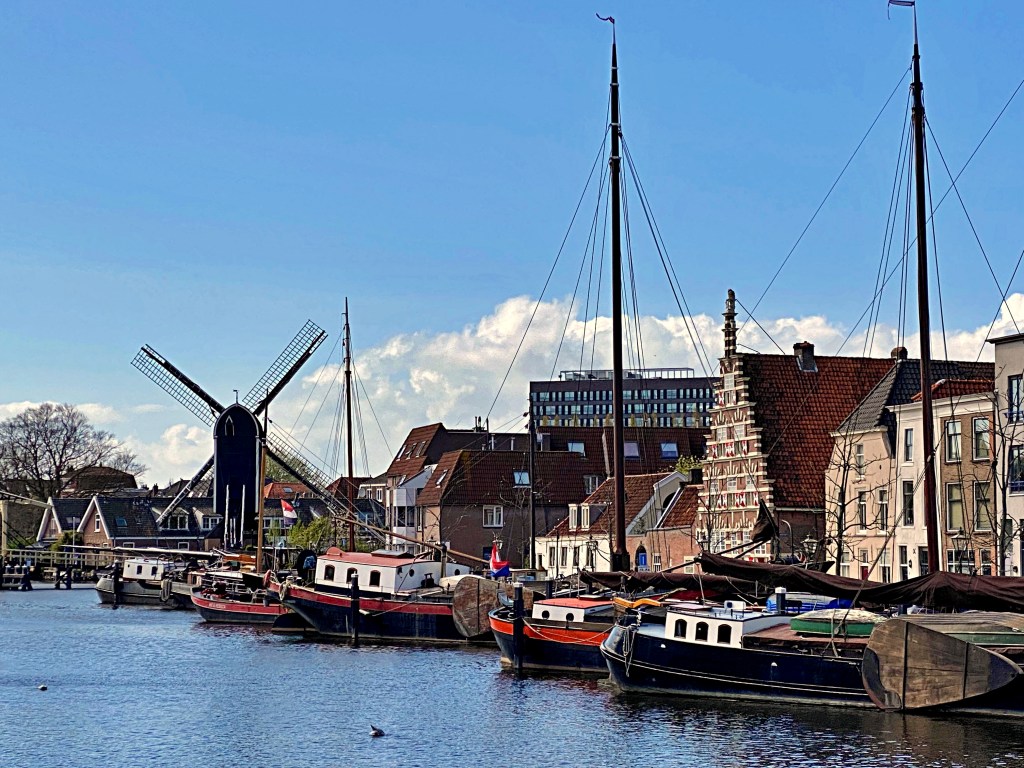
We began with the Molenmuseum de Valk (Windmill Museum of the Falcon), a five-minute walk from our hotel. Originally built in the 17th century, and much modified since then, this immense structure dominates the banks of the Morssingel Canal. If you have ever wanted to know how a windmill operates, this is a good place to start, as each of its seven floors presents exhibits in both Dutch and English.

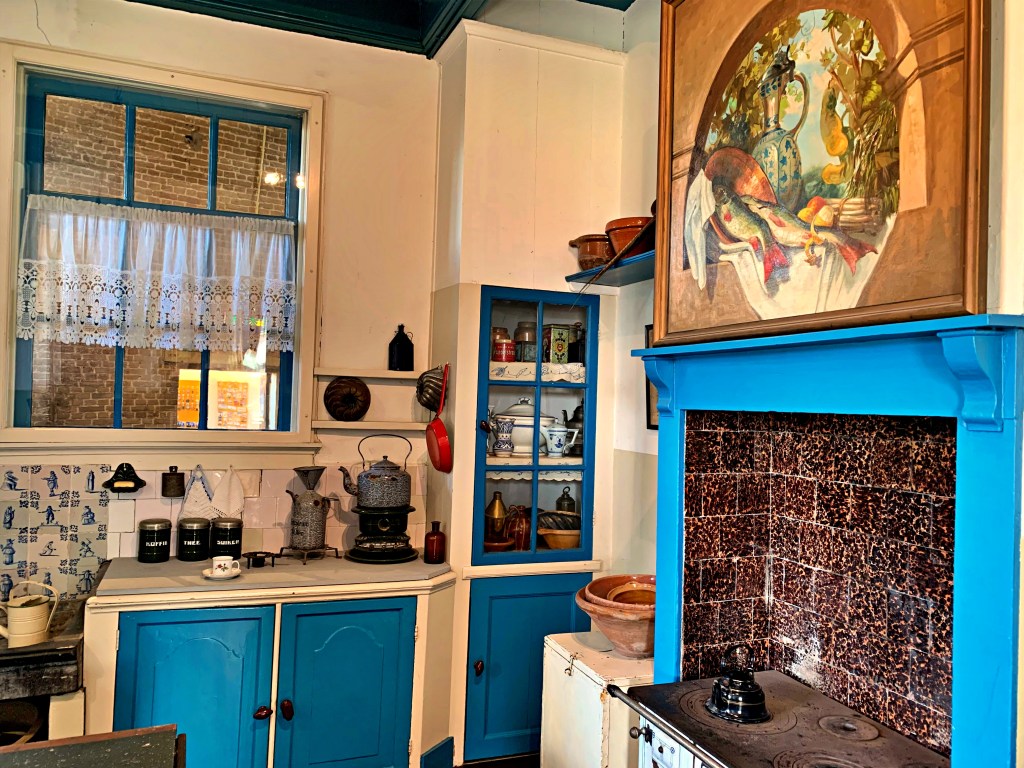
The miller’s family lived on the ground floor in rather close quarters, with the milling machinery housed on the upper levels. He earned his pay in kind via a 1/24th or 1/16th share of the grain he had milled, known as a “scoop payment.” This helped keep the miller honest because it was in his best interest to maintain the grain’s quality.
Windmills in Holland began disappearing when milling operations became electrified in the early 20th century, with only the “Valk” still standing in Leiden today. It became a museum in 1965, following the death of its last miller.
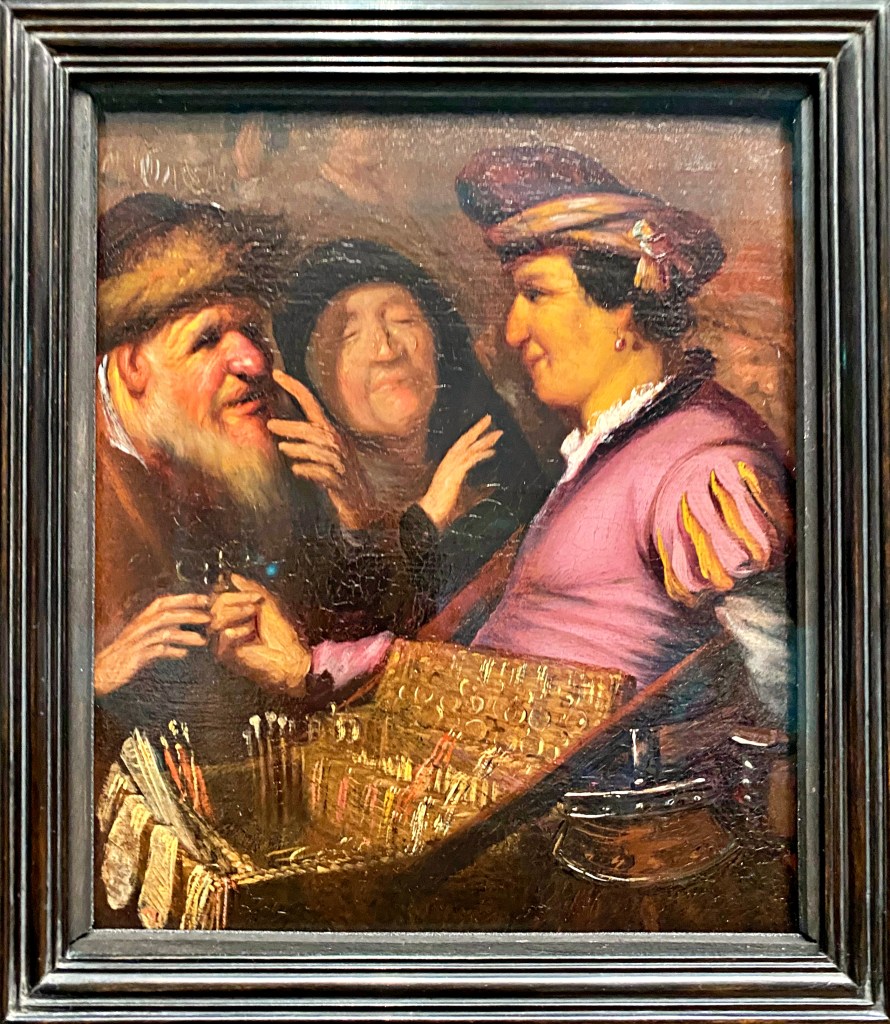
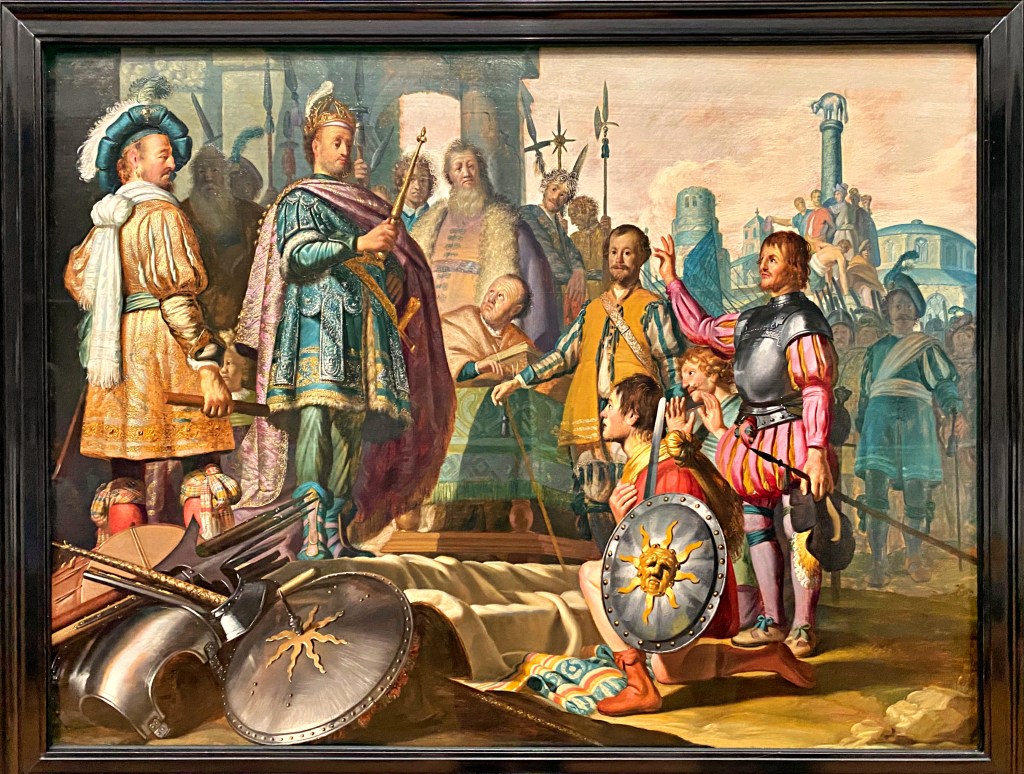
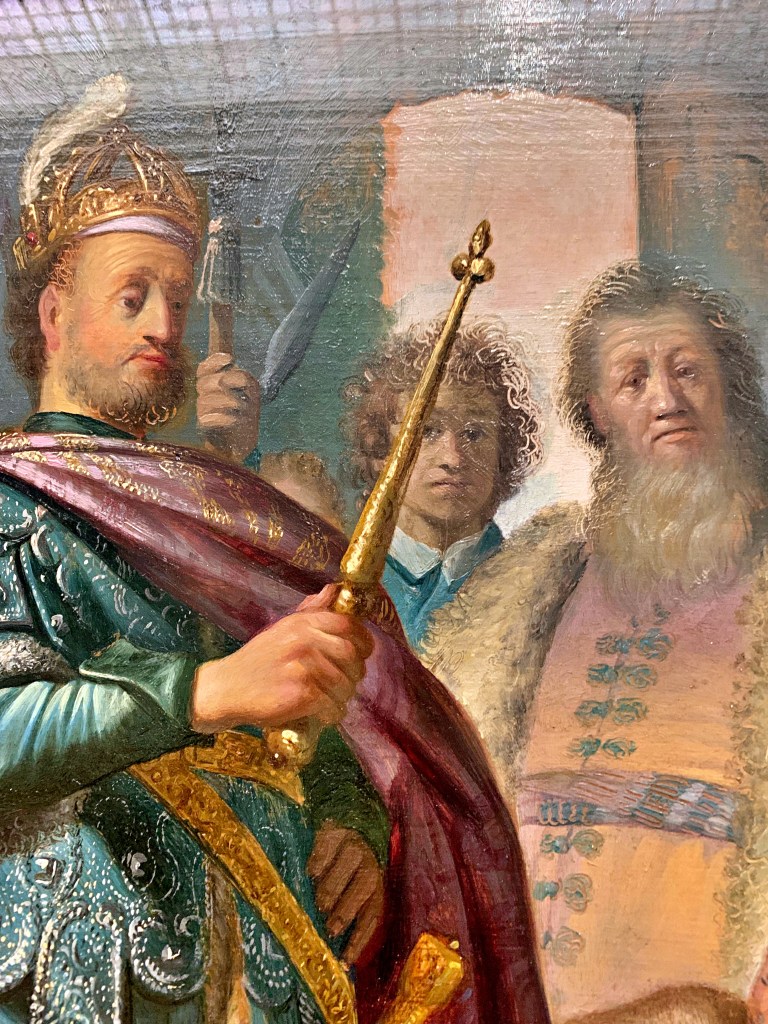
Our next stop was the Museum de Lakenhal, known for its collection of Old Masters from Holland’s Golden Age (1588 to 1672). That includes two Rembrandts: the Spectacles Pedlar (1624), his earliest known work, and History Painting (1626). Born in Leiden, in 1606 , Rembrandt built his reputation here painting portraits before moving to Amsterdam when he was 25.
We also visited a small house in Leiden known as the “Young Rembrandt Studio.” For three years, Rembrandt took lessons here from Jacob van Swanenburg, a prominent Leiden artist of the time. There’s little to see today except a gift shop and a short video on painting techniques Rembrandt may have learned from van Swanenburg. At least there’s no entry fee, although donations are encouraged.
One other Golden Age painter featured at the Lakenhal is David Bailley (1584-1657), who is best known for his Still Life with Portrait of a Painter from 1651. In this remarkable work, Bailley shows himself as a young man holding a smaller portrait of himself at his current age, next to a portrait of his deceased wife. The table to his right is covered with objects, including a skull, representing the fleeting nature of life.

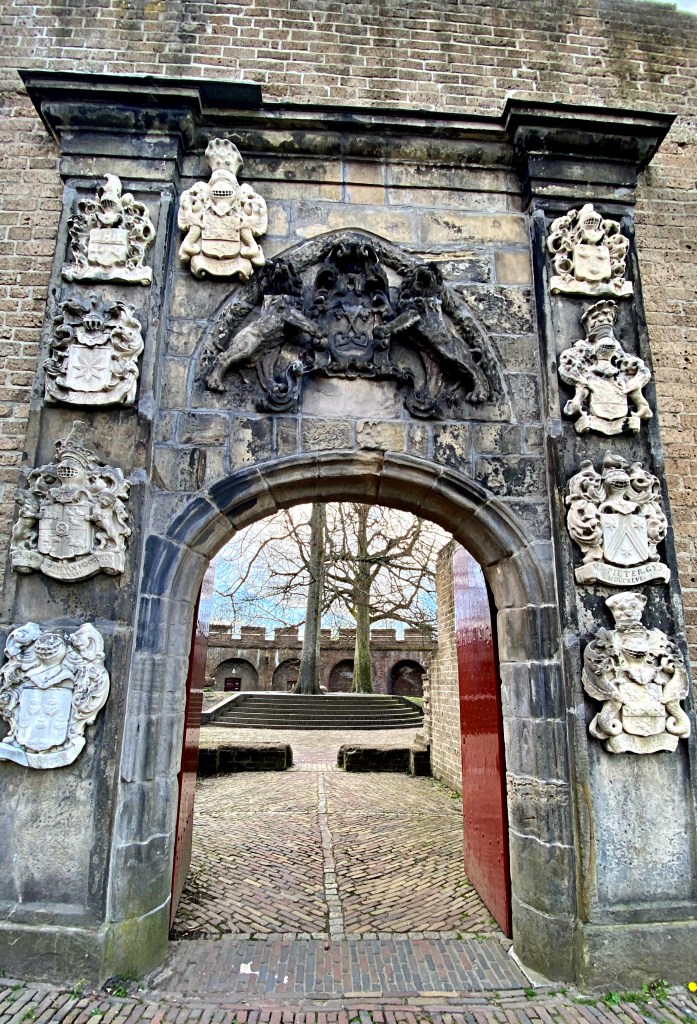
We concluded our Leiden tour at the Burcht van Leiden, a stone citadel dating from the 11th century perched on what used to be Leiden’s highest point. Nowadays, the surrounding view is blocked by higher modern buildings so the view from the Burcht’s ramparts is not as impressive as in earlier centuries.
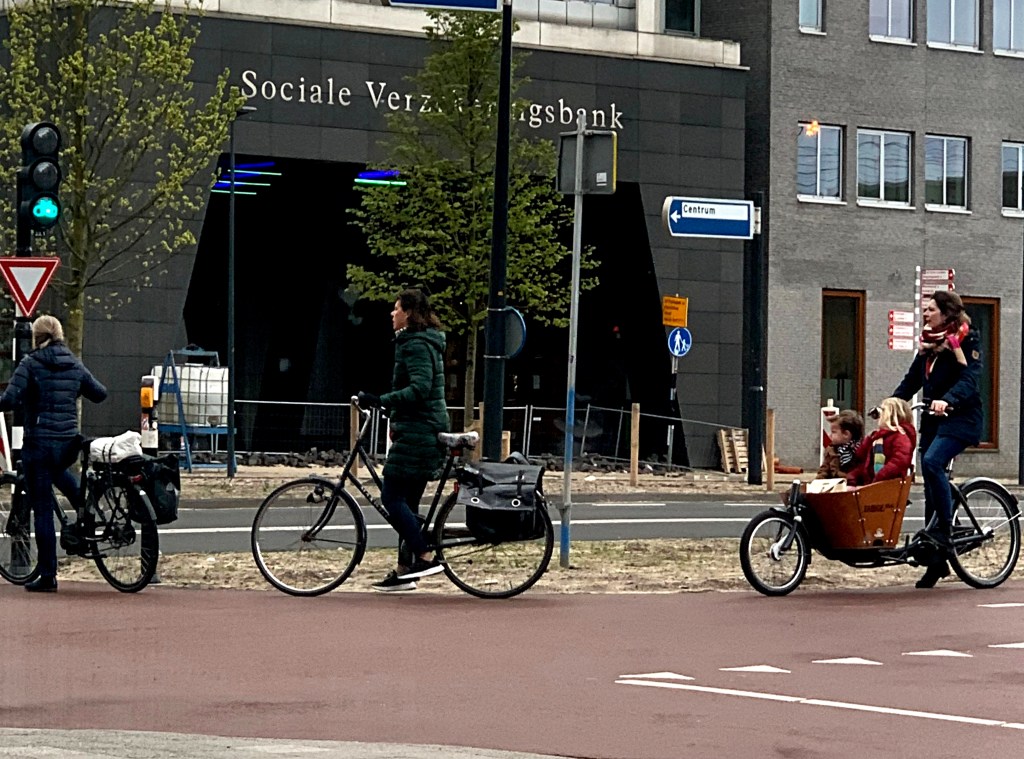
By now, it was after 5 and the wind was starting to kick up so we headed back to the hotel, dodging bicycles as much as cars during Leiden’s rush hour.
Note: Leiden’s American Pilgrim Museum is probably also worth a look if you come to visit. As you might recall from grade school, the Pilgrims lived for 11 years in Leiden before sailing off to Plymouth, Mass., in 1620. The museum, located in a restored 14th century house, houses artefacts from the Pilgrim period in Leiden and sponsors research related to their stay there.
Unfortunately for us, the museum is open only three days a week and was closed the entire week we were there. Maybe next time!
 Two Clines Traveling