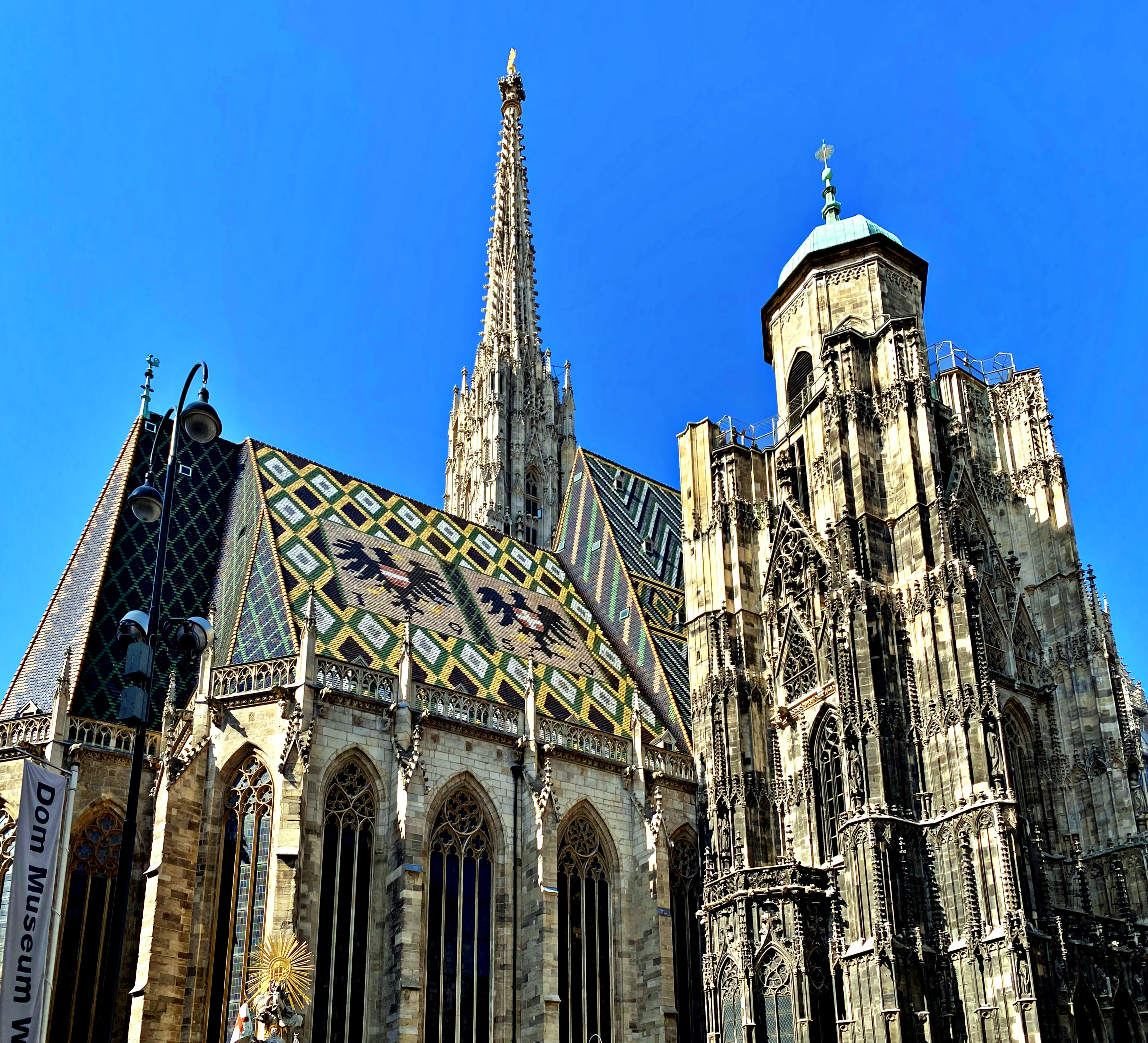
If you begin your visit to Vienna in the Innere Stadt, or Inner City, as most tourists do, you’re looking at the city’s imperial district, with wide boulevards of palaces and other grand buildings, ceremonial arches and statues. Between the mid-16th century and 1918, Vienna was the capital of two important empires, the Holy Roman (or Hapsburg) and Austro Hungarian.
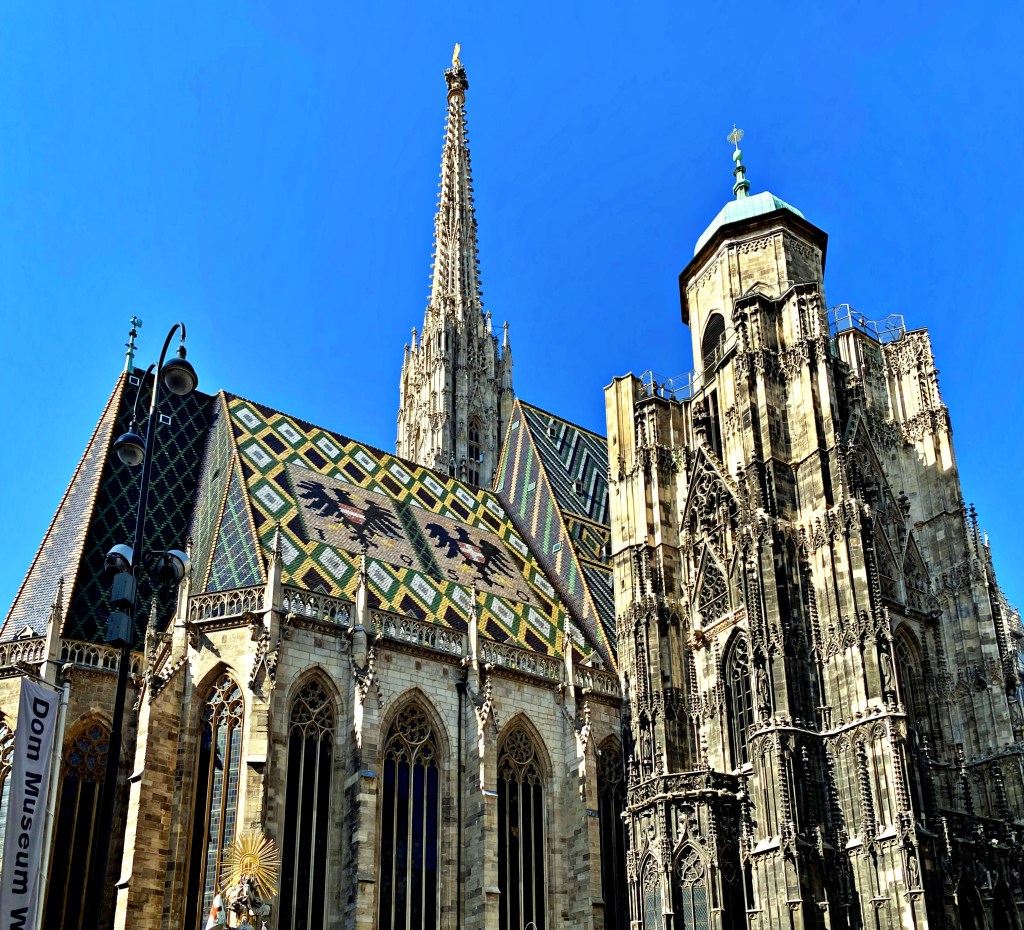
Great wealth meant great churches, with the most well known being St. Stephen’s Cathedral, which dates to the 14th century and has been lovingly restored in the wake of damage incurred during World War II.
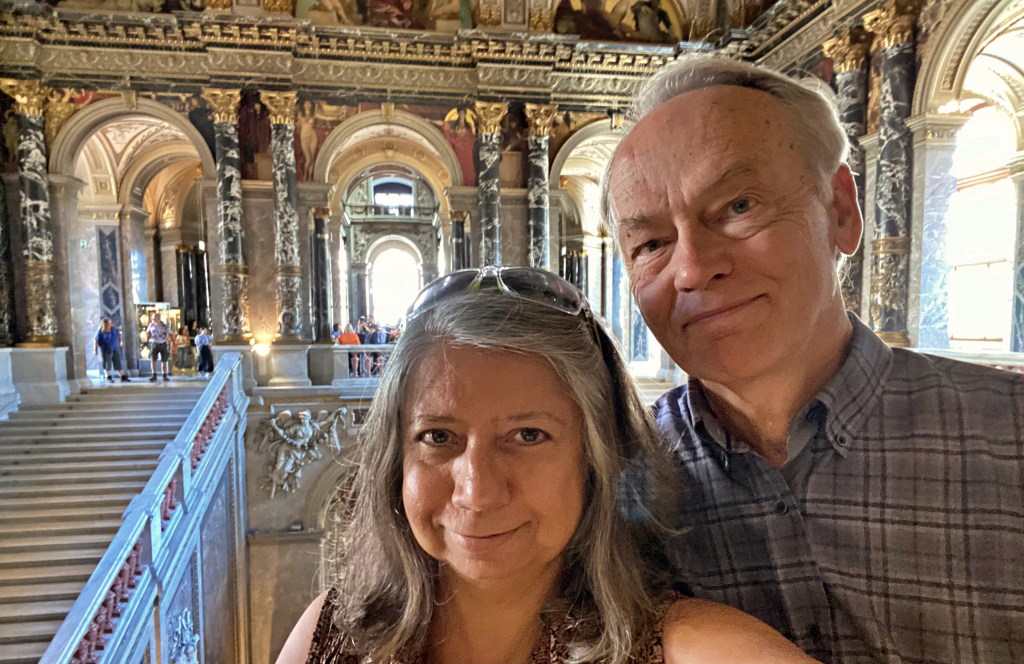
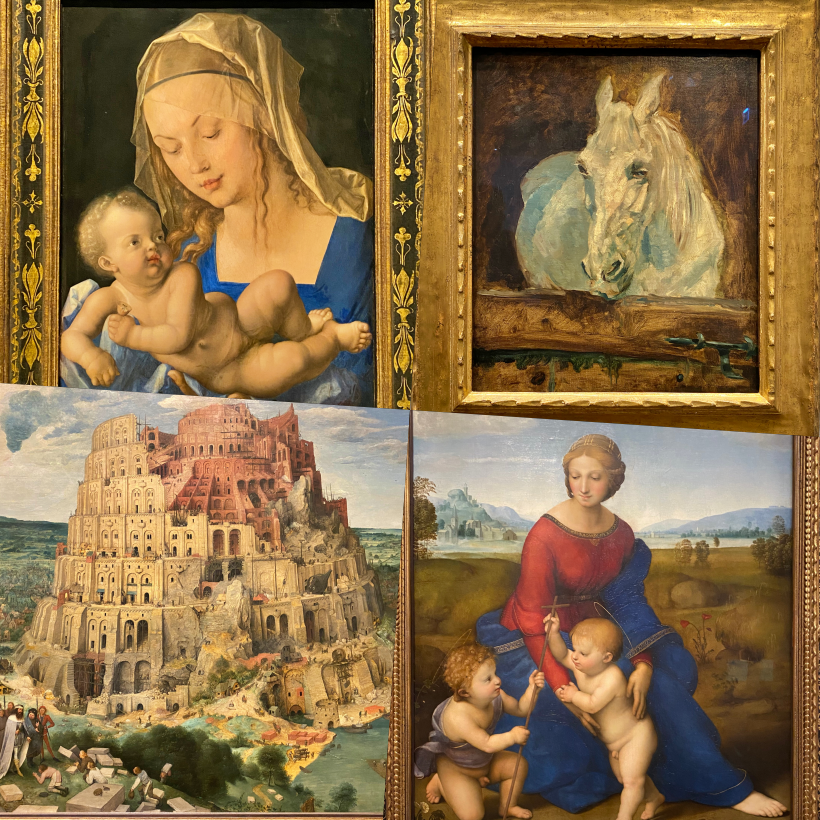
The Innere Stadt also contains several museums. We spent a few hours in the Kunsthistorisches, one of the world’s top galleries for seeing Old Masters from the likes of Bruegel, Dürer, Rembrandt, Titian and Raphael. Built in 1891 to house the imperial family’s art collection, the museum’s interior includes a lavish neo-Baroque ornamentation in marble, stucco and gold-leaf. The late 19th century elegance extended to the cafe situated beneath the building’s central octagonal dome, where we had lunch.
We also enjoyed the more modern works on display (Monet, Picasso and Klimt) in the Albertina Museum, which began in the late 18th century as a place to house the private collection of Prince Albert Casimir of Saxony.
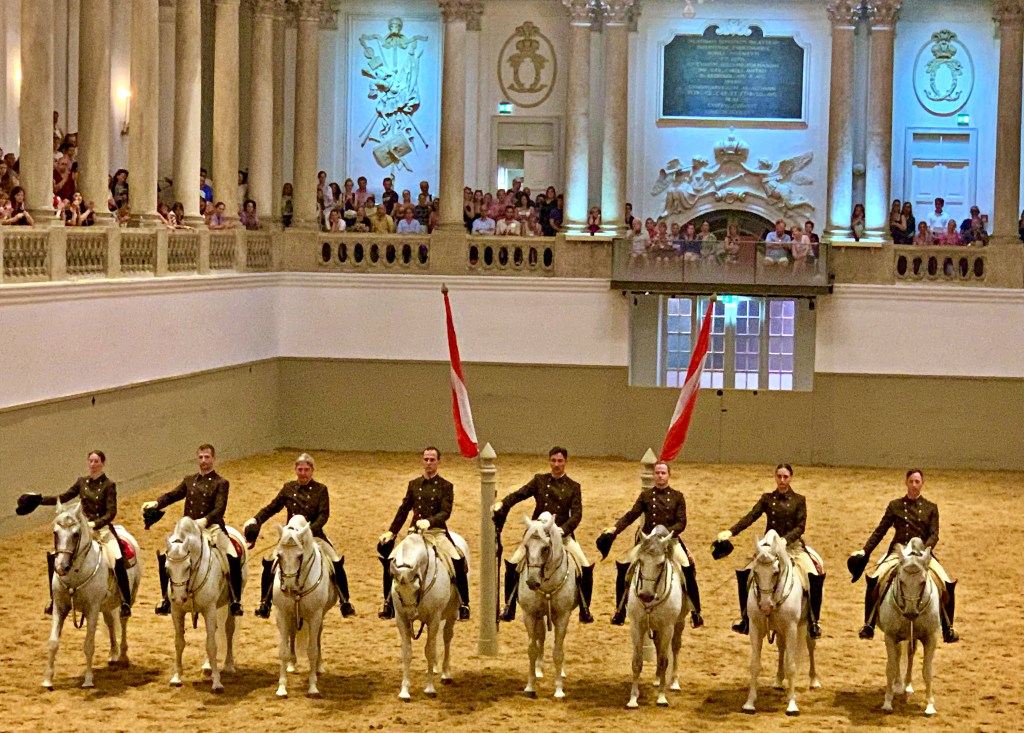
One of the most popular reminders of Vienna’s imperial age is the Spanish Riding School, home of the Lipizzaner Stallions. With origins in the 16th century, this institution was created to instruct European nobility in proper riding skills. The school’s horses were bred in the village of Lipica (now in present day Slovenia), which is pronounced “Lipizza” in Italian, hence the name “Lipizzaner.”
After interruptions caused by World War II, the School resumed its riding shows in Vienna in 1955. We watched one of the performances on a Sunday morning and were enthralled to see the costumed riders take their charges through the balletic-like exercises.
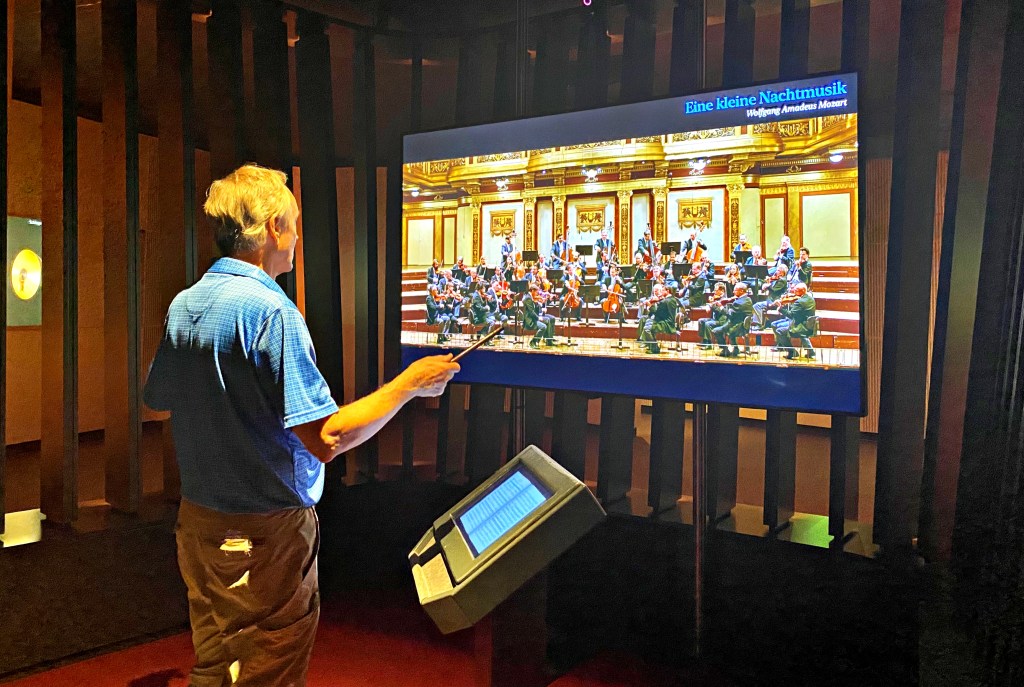
And don’t forget the music. During its heyday between the 18th and 19th centuries, Vienna attracted some of the greatest talents in classical music, including Haydn, Mozart, Schubert, Beethoven and Strauss. One place to begin exploring this history is at the Heart of Musik museum, just a few blocks from St. Stephen’s Cathedral. Here you can view interactive exhibits relating to the major composers and even personally conduct the Vienna Philharmonic Orchestra … via interactive video …
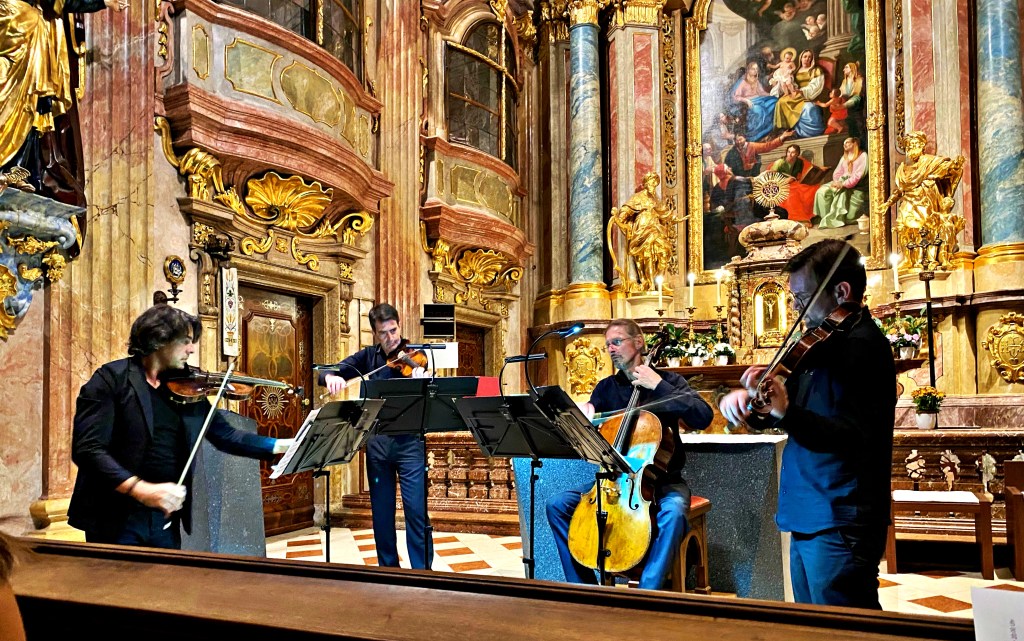
One evening, we took in a performance of the Aeon Quartet (three violins and a viola cello) in the 16th century Annakirche, or Church of Sainte Anne. They performed Mozart’s “Dissonanzen,” Schubert’s “Death and the Maiden” and finished with Hadyn’s lovely Elegy in F Major as an encore.
Afterward, we enjoyed sacher torte and grappa at the Cafe Sacher Wien, a noted Viennese gathering place. Food, in fact, turned out to be a pleasant surprise in Vienna, since we expected mostly German-type fare of sausage, potatoes and cabbage. Fortunately, Austria features a more diverse cuisine because of its long history of cultural interaction with the countries of eastern and southern Europe.
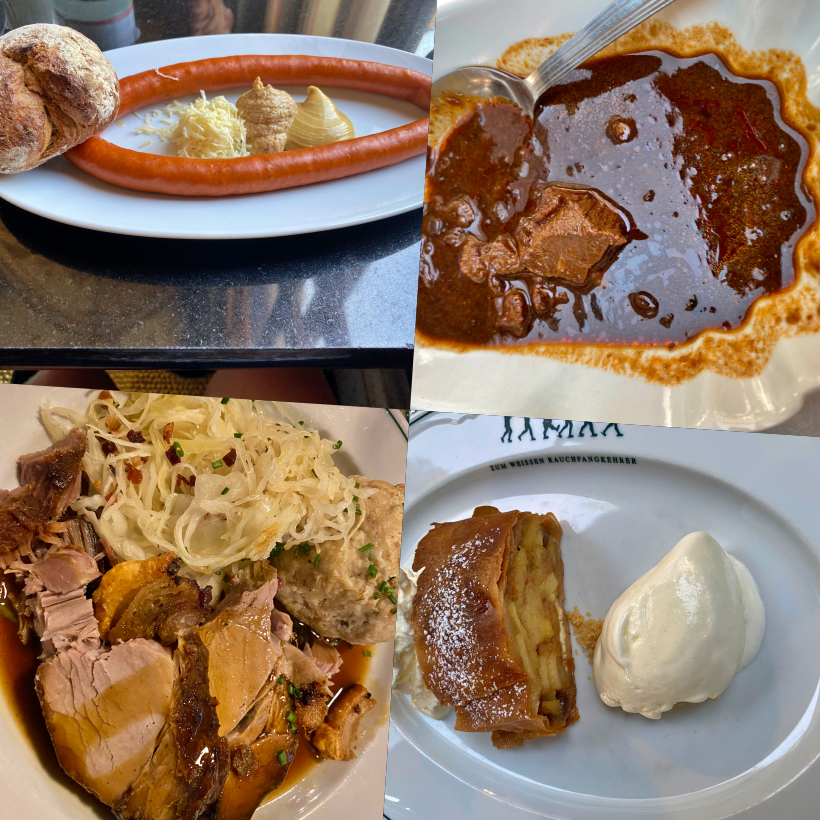
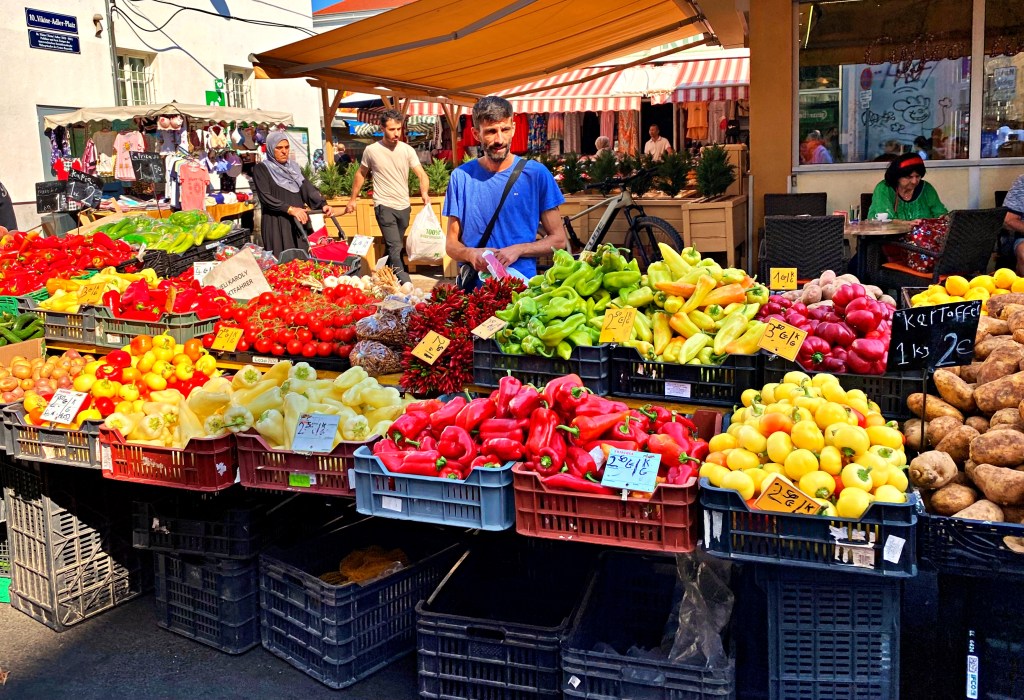
It must be said that restaurant meals in the Innere Stadt are pricey, due to the high rents and tourist traffic. To get a better idea of how ordinary Viennese eat, we joined a food tour conducted by a delightful guide named Wolfgang Kaufmann, or “Wolfy,” as he likes to style himself. Using Vienna’s excellent metro system, Wolfy took us into Favoriten, a working class neighborhood outside the inner core.
Here we sampled offerings from the street markets and food kiosks, one of which (16er Würstelstand) served the best goulash we had in Vienna
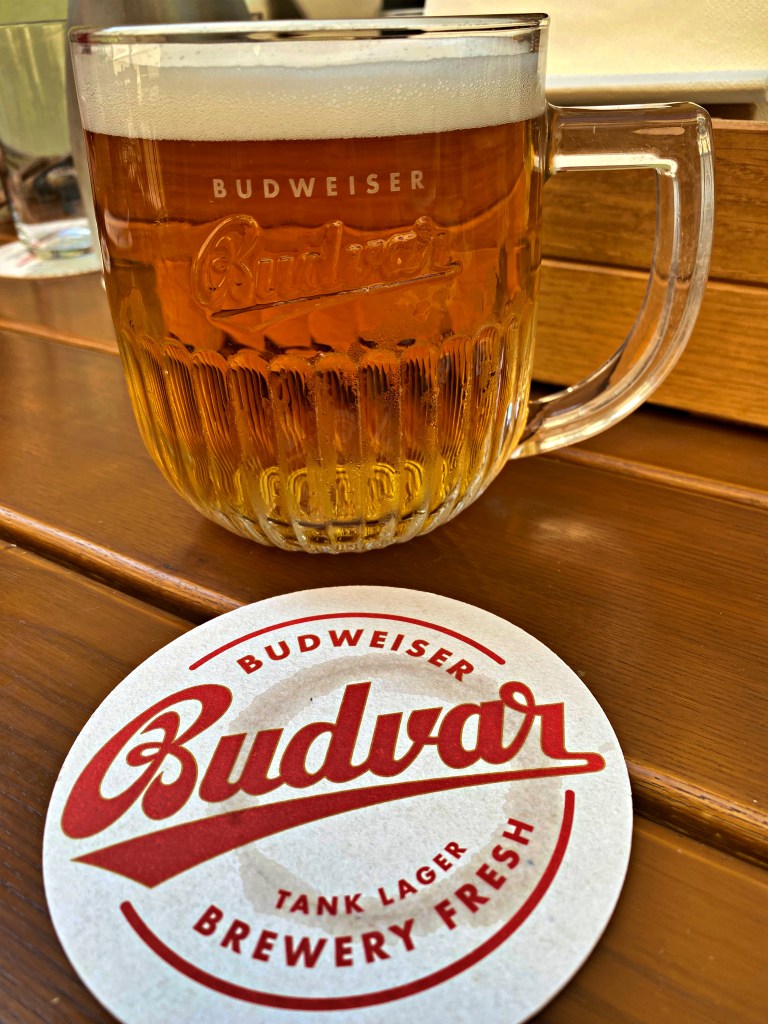
At one restaurant, Ken also enjoyed a “Budwar,” the Czech version of Budweiser. As he can testify, Budwar beats Budweiser hands down for flavor.
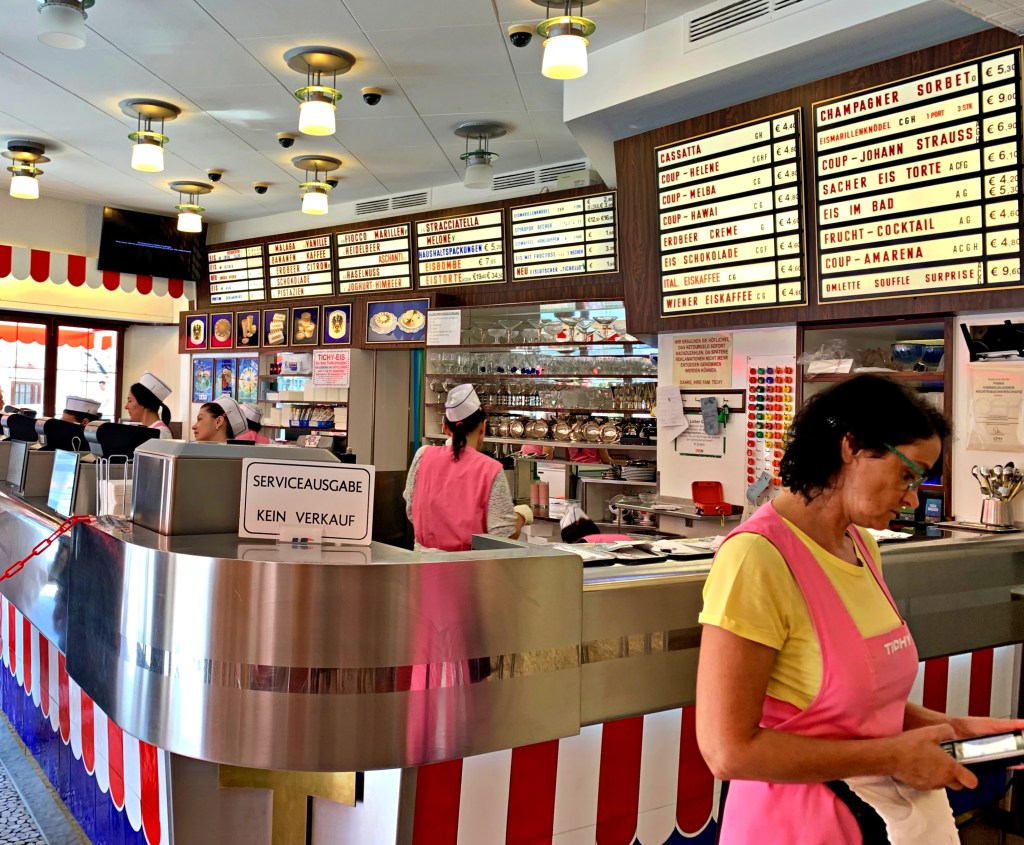
We finished up our visit to Favoriten with a stop at the Tichy ice cream parlor, famous for its hazelnut ice cream.
Finally, a word about coffee, since Vienna is famous for pioneering the “cafe culture” in Europe in the late 17th century. Vienna wasn’t the first place to serve coffee — that distinction goes to Venice in 1647. But Viennese did popularize coffee houses as the epitome of the “good life,” with marble top tables, comfortable seating, food service and the God-given right to lounge about the establishment reading newspapers or conversing with your friends.
We know this tradition well from Portugal, where no waiter will roust you from your table, no matter how long you’ve been sitting there!
Wolfy took us to one place, Cafe Korb, which is owned by Susanne Widl, an Austrian movie star of the 1960s and ‘70s. We had coffee and apple strudel as Wolfy identified the regulars hanging out, reading the stack of newspapers supplied by the cafe.


Enjoy reading of your travels!
LikeLike
Thanks!
LikeLike
I love the title. “Imperial,” is right. Walking on “the Ring” downtown, amid that stunning architecture, I remember it was hard to think small thoughts. I may have to adopt that idea about the food tour to see how regular people eat. That’s a really good idea. In the grocery recently, Czechvar was on sale, so I tried some. Told my wife it might be the best beer I knew. And that was in bottles. On tap, it must be great!
LikeLike
Thanks, Clint. We do walking and food tours on most of our city visits. Great way to get a feel for the city’s layout, major attractions and culture, a lot of which centers on the stomach. In this case, the food tour got us out of the Innere Stadt, which is impressive but kind of a tourist bubble. And yes, Czechvar (oh, what the heck: Budweiser) is great on draft.
LikeLike
Nice detailed post. Thanks.
LikeLiked by 1 person
Thanks, Ed.
LikeLike
Loved hearing about Vienna! Your photos are awesome. I’m so happy you are visiting so many interesting places and are sharing your experiences with us who can’t be there! Thanks old friends for sharing. Jan
LikeLiked by 1 person
Loved hearing about Vienna! Your photos are awesome. I’m so happy you are visiting so many interesting places and are sharing your experiences with us who can’t be there! Thanks old friends for sharing. Jan
LikeLiked by 1 person
Thanks, Jan.
LikeLike