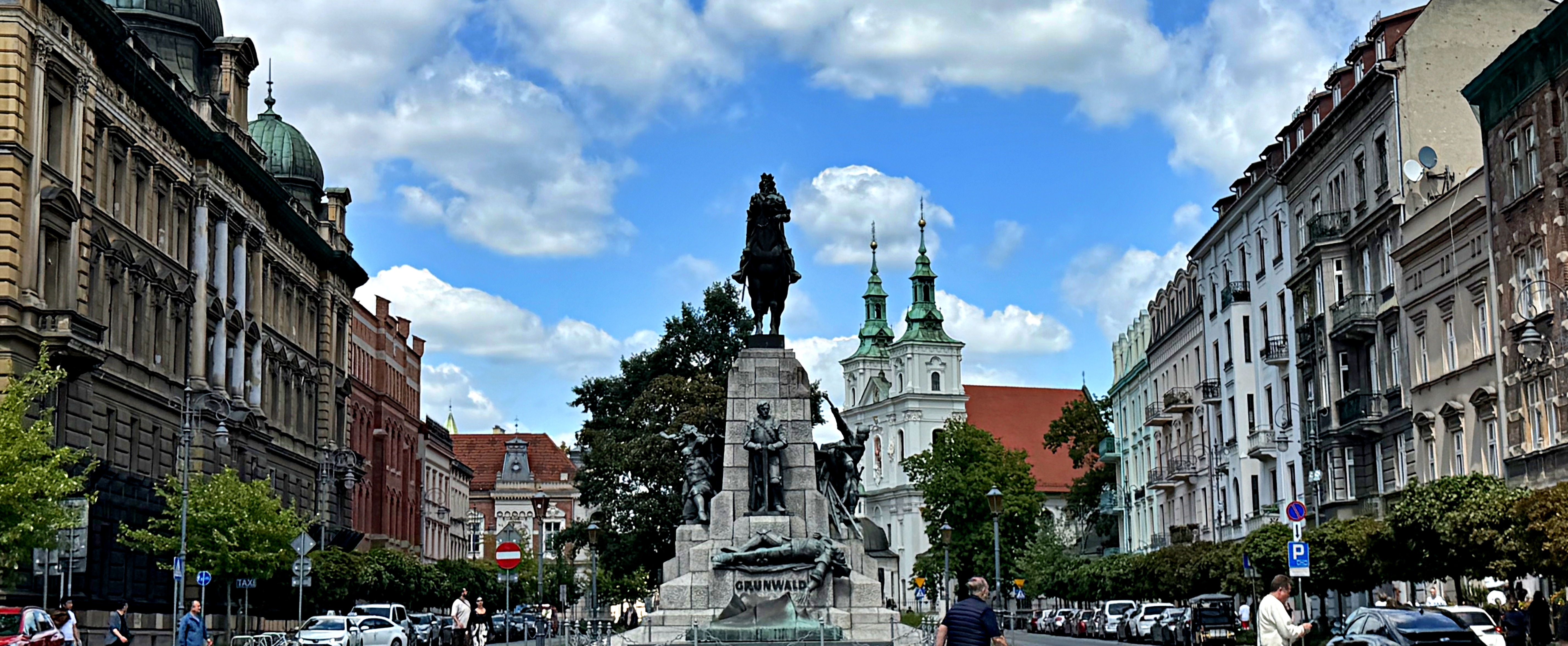
It’s difficult to rank the three central European cities we visited because each had its own virtues. Bratislava was the most relaxed and laid back, for example, while Prague featured the most interesting architecture. But we give Krakow top billing for its compact and walkable old town, diverse and reasonably priced food, and just general good vibes.
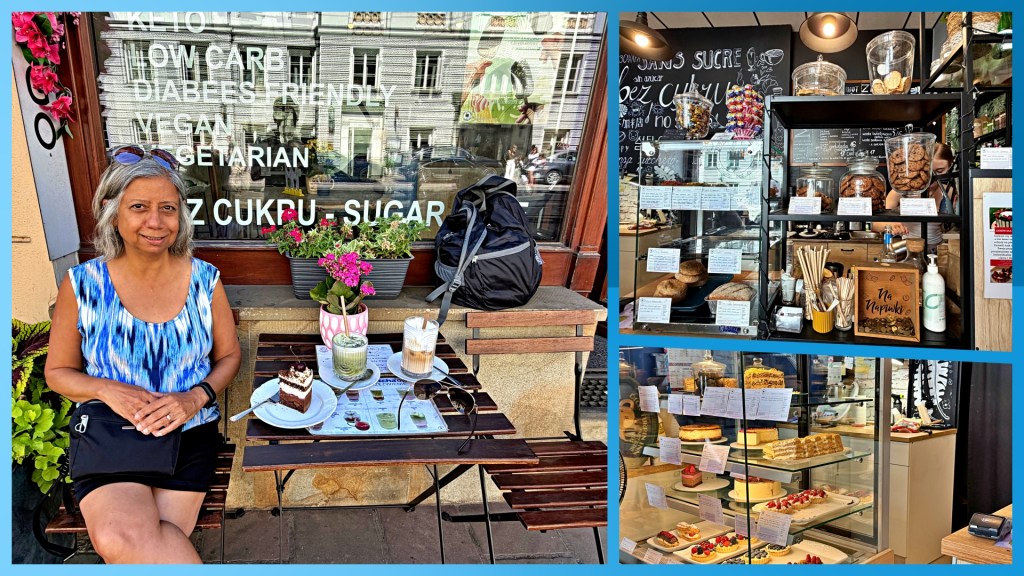
Bina was happy to discover here the only cafe serving 100% keto food that we’ve found in Europe (or anywhere, for that matter). This was important to her because whenever we travel, most of the foods and nearly all of the desserts are off limits to her because of her need to avoid sugar and carbohydrates.
Fortunately, while walking around just outside the old town, I happened to notice the Keto-Only sign in the window of Dora the Cook Cafe across the street. Bina discovered pastries and bread that she could actually eat — with gusto! For that reason alone, Krakow will always have a special place in her heart.
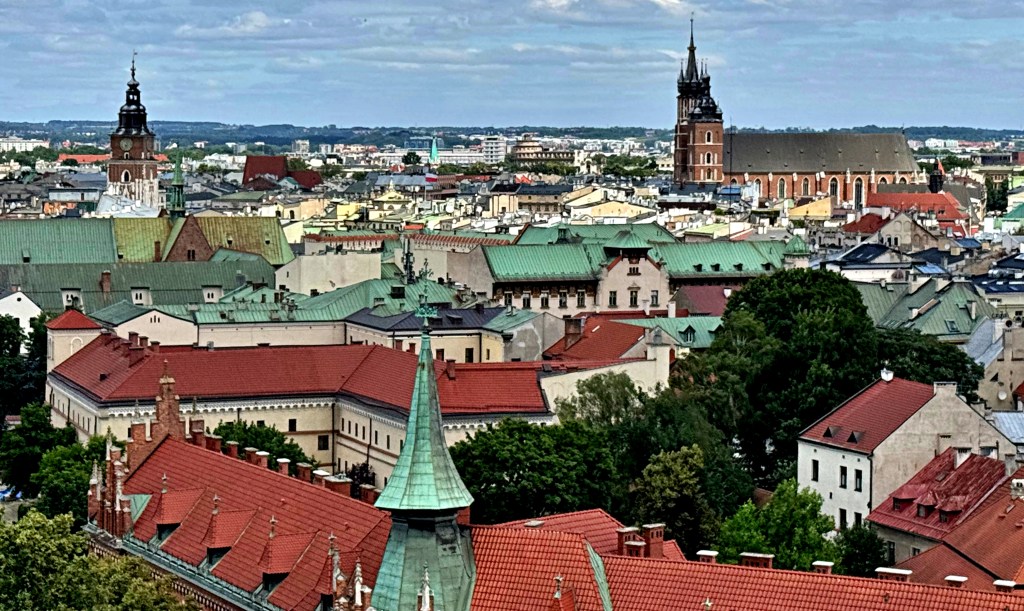
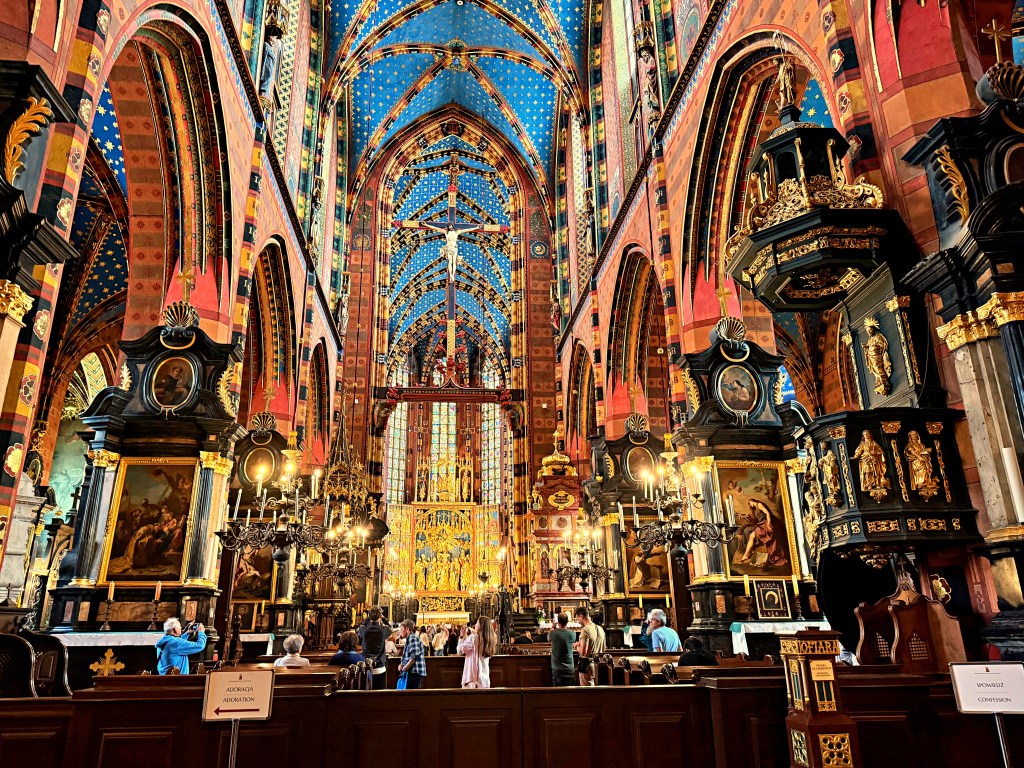
We also benefited from the location of our hotel, just off Rynek Glówny (Main Market Square) in the heart of the old town. All we had to do when leaving the place was to turn right and there it was, a half block away, the square’s enormous expanse dominated by the Renaissance Era cloth market, Gothic-styled St. Mary’s Basilica and the 14th century town hall tower.
From a convenience point of view, it also helped that we could find, within a few blocks of the hotel, top notch cafes and restaurants. And Bina was pleased to discover a small shop selling matcha, a Japanese tea that she became fond of during this trip.
To explore the city beyond the main square, we signed up for a culinary/cultural walking tour. Our guide Grzegorz (Greg for short) spoke excellent English, having spent a year in the U.S. on an educational program and working in a hotel that catered to members of the Minnesota Vikings football team.
The tour started in Krakow’s Kazimierz district, which used to be the old Jewish quarter. The Jews, of course, were expelled during World War II (more about that later), and the district went through a long era of decline before gentrifying in recent decades into a hip center for bars and restaurants.
A good example was Singer Klub, whose tables feature antique Singer sewing machines. The place is known for serving a honey-based alcoholic drink which we sampled. This drink was actually developed during Communist times, when imported goods were virtually unknown and people had to make do with whatever food/drink ingredients they could source locally. A similar story emerged at Zapieianki BarOko, which specialises in a hot bread covered with cheese and ketchup.
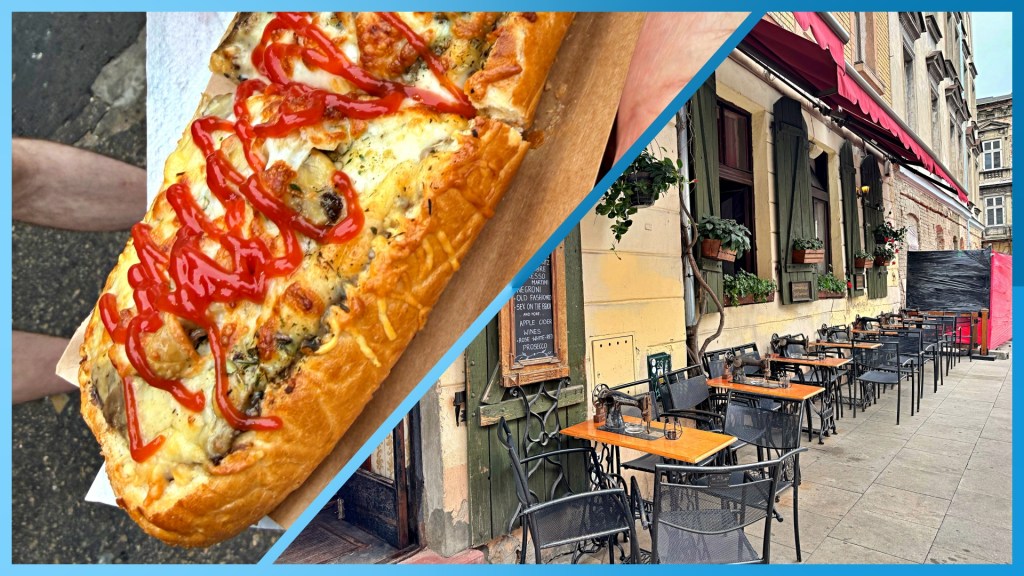
As Greg explained, Poland produced a lot of grain and cheese during the Communist period, and ketchup was cheap, so this filling snack quickly became an everybody staple. Nowadays, as you might expect, people add a lot of additional ingredients, such as meats, peppers and onions.
Another cafe we visited, Kolanko No. 6, specialised in shakshuka. That doesn’t sound very Polish and it’s not. After the fall of Communism, Poles could travel freely and introduce more foods from other countries. This peppery egg and tomato dish from the Middle East is now common on breakfast and brunch menus in Poland.
Finally, re-entering the old town, we sampled more traditional Polish foods such as pierogis and paczek, a very tasty donut filled with wild rose petal jam. Strolling with Greg made for a fun day. Our next day could not be described as such … and that was on purpose.
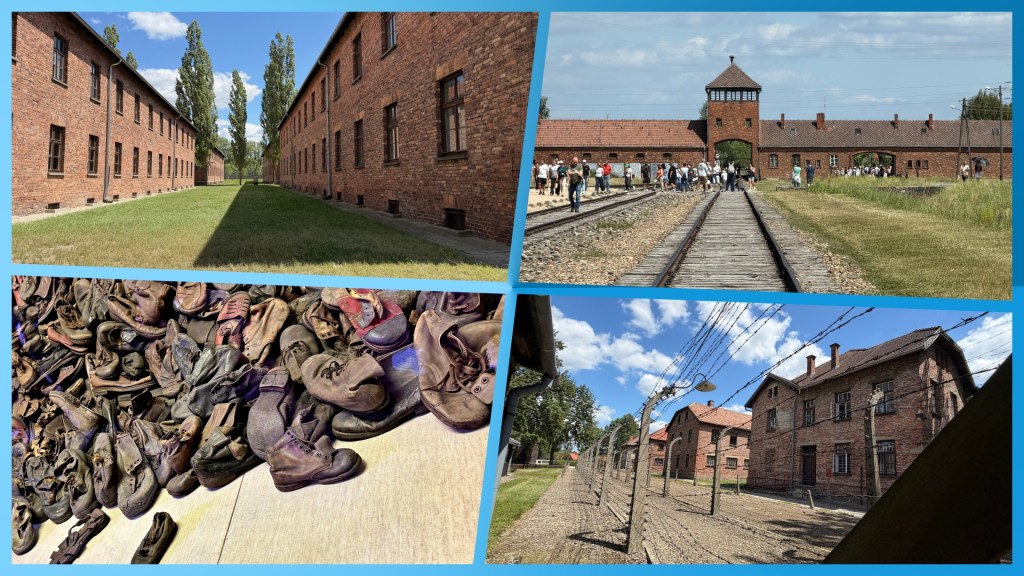
As some readers might know, the former German concentration camp of Auschwitz is located 70 km (43 miles) from Krakow. A visit to the site and tour of both Auschwitz and Birkenau, its neighbouring camp, takes a seven-hour day trip from Krakow, typically on a group tour, which is what we did.
You can read lots of books about the Holocaust, but nothing will bring home the horror of what happened like an actual visit to Auschwitz. The guide’s explanation, combined with the displays inside the buildings, communicated a gut-level experience of that horror in a way that will long haunt us.
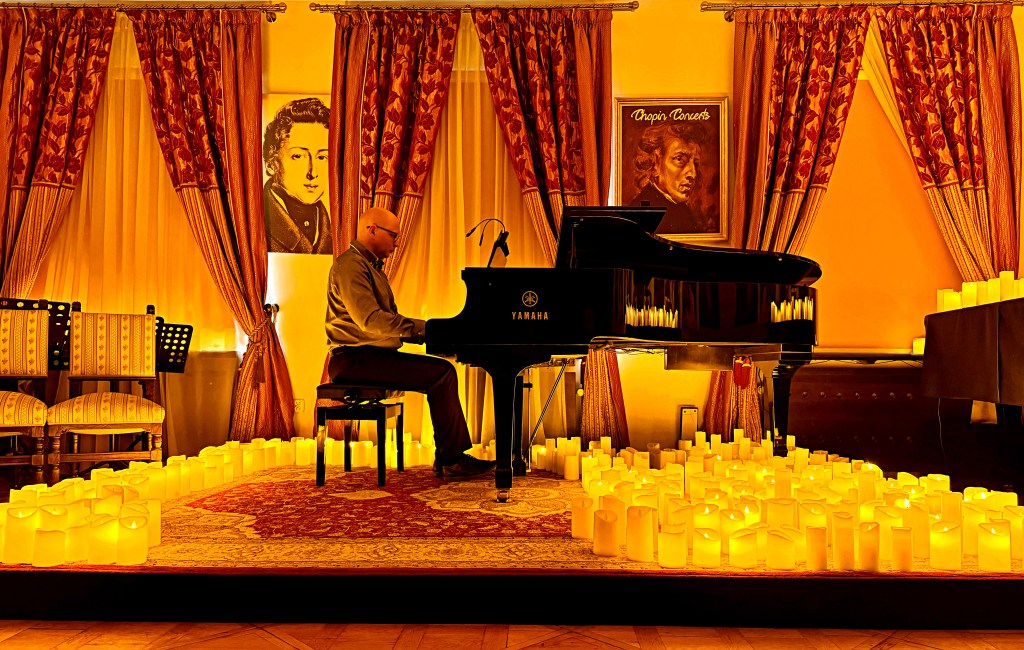
Bina and I returned to Krakow in a somber mood. So, it was fortunate that we had arranged to attend a classical music concert that evening at the Church of St. Peter and Paul. Listening to the soothing melodies of Chopin, Tchaikovsky, Mozart and Debussy helped restore some of our faith in what humans can accomplish when touched by our better natures.
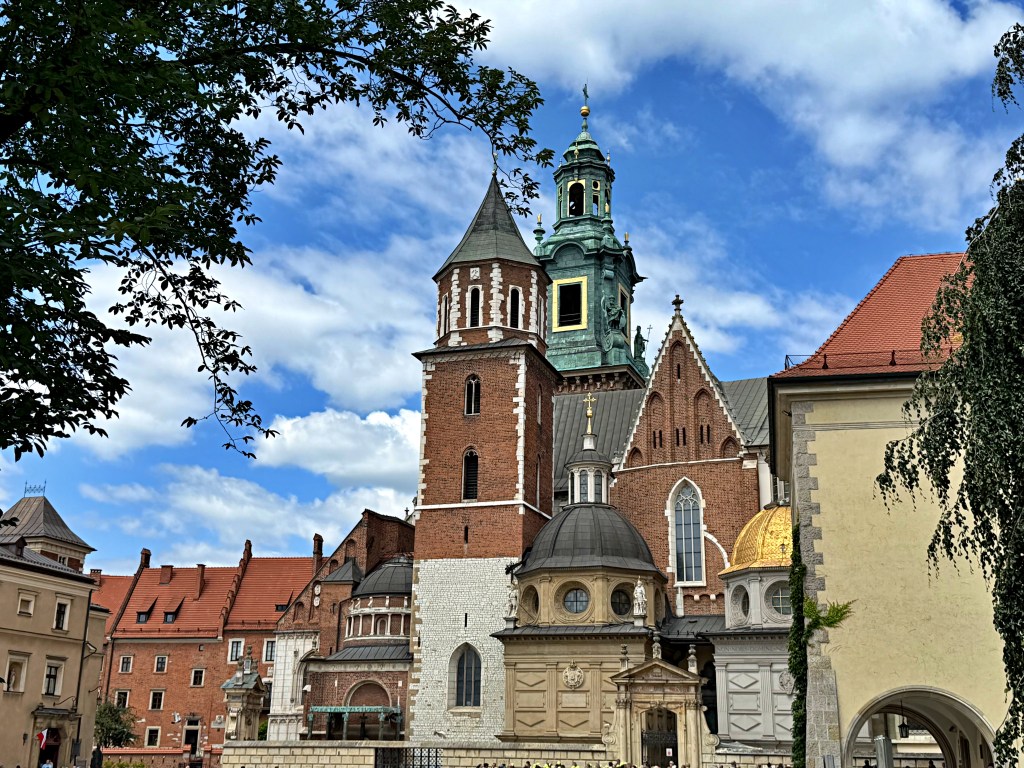
Our late flight back to Portugal the next day occurred late enough in the afternoon to give us a little time for further touristing in Krakow itself. We focused on the area around the Wawel Cathedral, which is where Polish kings were traditionally buried, along with St. Stanislaw, the country’s patron saint.
You could spend all day at this site atop a hill overlooking the Vistula River, which also includes Wawel Castle, home to the best art museum in Poland. With only a few hours to spare, Bina and I contented ourselves with walking the grounds to marvel at all the centuries of architecture represented here: Romanesque, Gothic, Renaissance and Baroque.
Travel Tips: Slovakia, the Czech Republic and Poland are easy countries for tourists, with all three being part of the EU and using the euro. English is widely spoken everywhere.
One welcome surprise for us turned out to be the prosperity and modernity we found in Poland. While this country is sometimes classified as part of Eastern rather than Central Europe, it feels more akin to Austria than to Bulgaria or Hungary. Over the past 10 years, its 3.7% growth rate exceeded both Slovakia (2.4%) and the Czech Republic (2.2%) and is one of the best in Europe.


