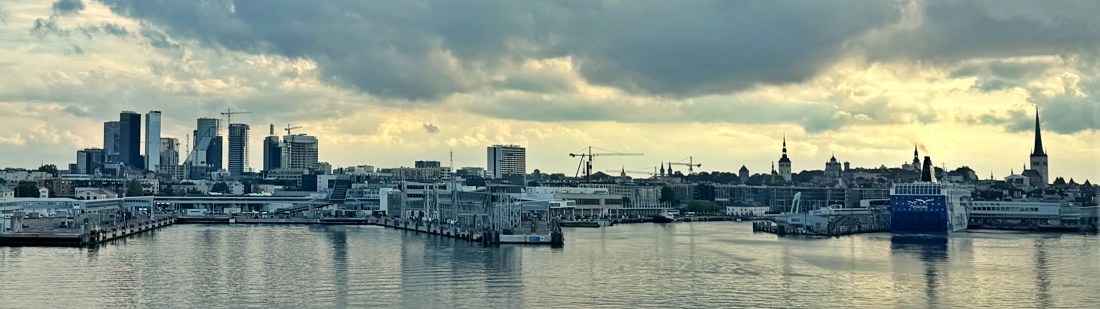
We arrived in Tallinn in style, aboard a ferry, MyStar, that can best be described as a mini cruise ship, or floating mall; an entire deck is devoted to high-end fashion brands, such as Gucci, Dior and Chanel. The floor above included a food court with some upscale eateries plus a Burger King. The size and amenities of this 12-deck vessel (capacity for 2,800 people), far exceeded that of any ferry we had ever seen.
The skies had been cloudy and rainy that morning in Helsinki, but cleared during the afternoon when we made the two-hour crossing of the Gulf of Finland. After disembarking at 6:30 p.m., we walked 15 minutes to our hotel, which was located about half way between the port and the old town.
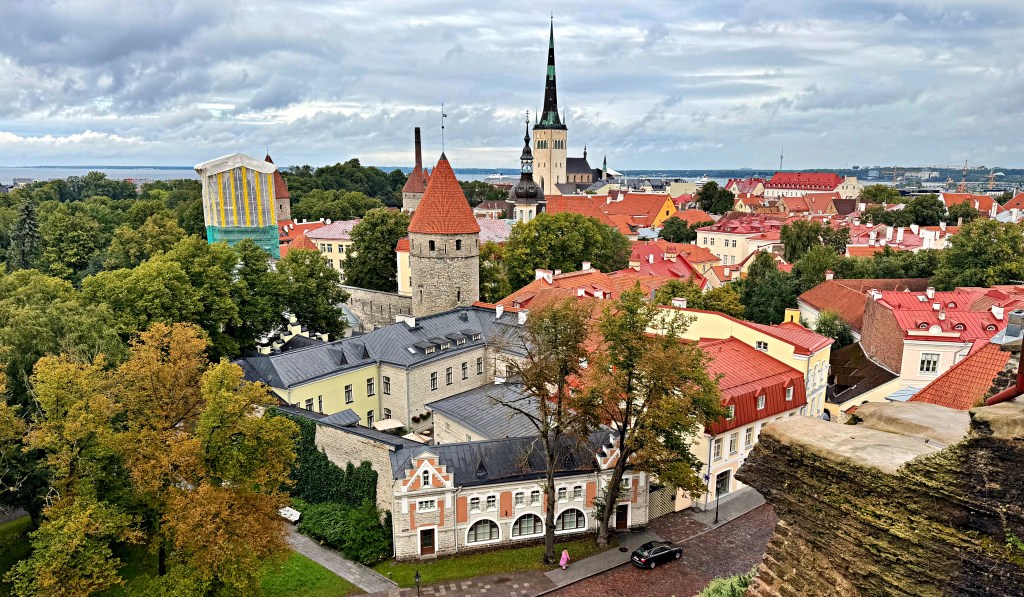
Tallinn’s magic for tourists resides in that old town, mostly built between the 13th and 16th centuries, when the city served as a center for trade between Russia and western Europe. The merchant houses, guild halls, churches and fortifications dating from that period escaped major damage during World War II but subsequently fell into neglect and decay during the Soviet period.
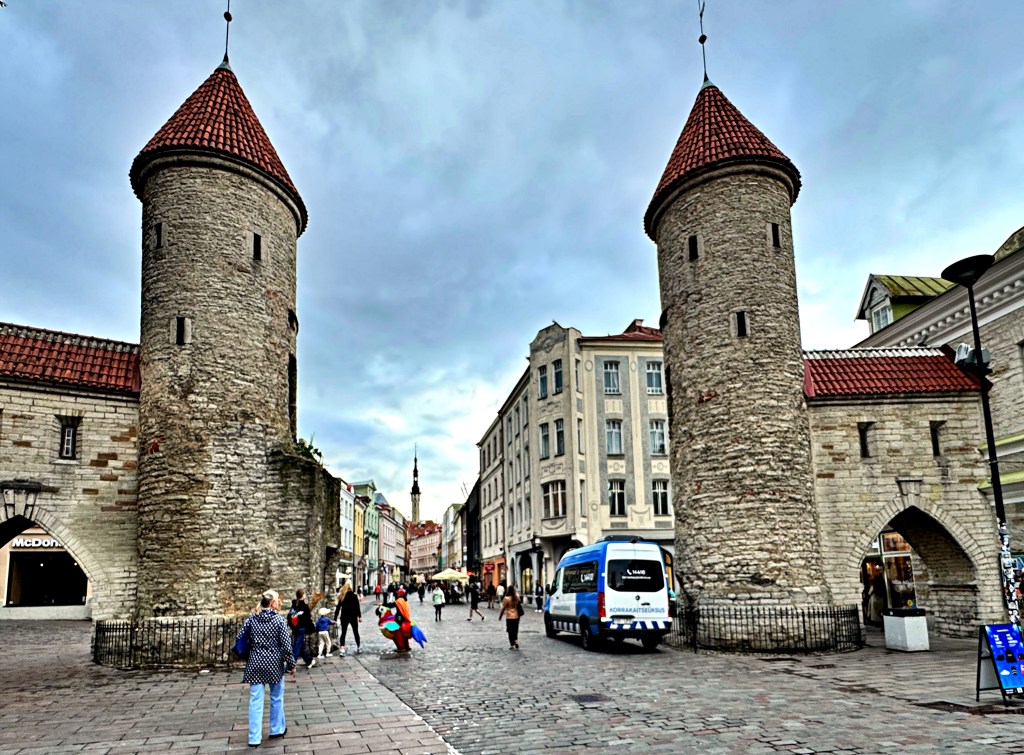
After regaining independence in 1991, Estonia embarked on a massive restoration of the old town that brought its Gothic Era architecture back to life. In 1997, Unesco designated Tallinn as a World Heritage Site and today the city attracts about 3.5 million tourists a year, more than neighbouring Helsinki, Vilnius and Riga.
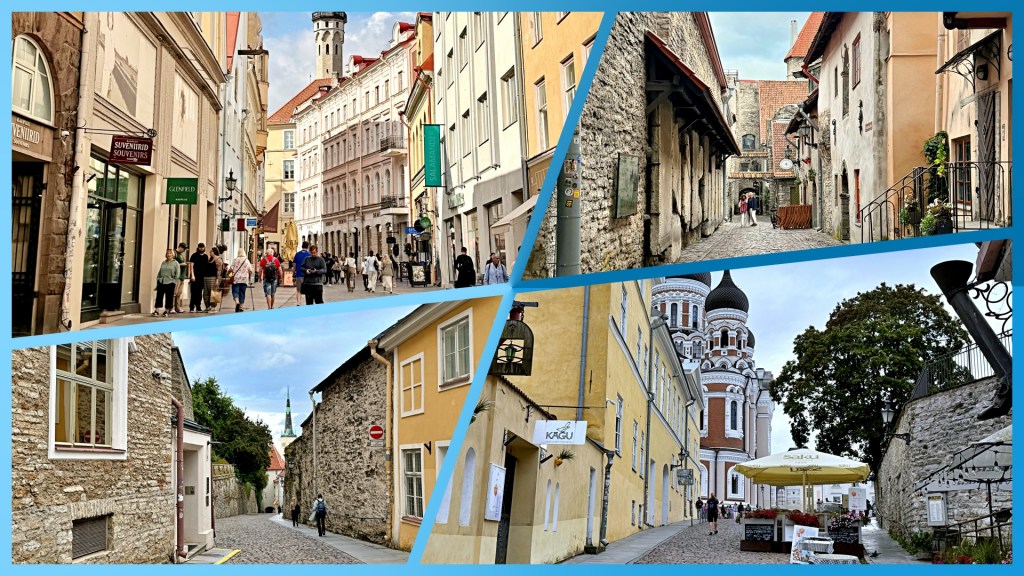
Our guide for viewing the old town was a young man named Gleb, who presented the complicated history of his country in an informative but entertaining manner. One fact that stuck out for us: Estonia has only been independent twice in its 1,000-year history: for 22 years between 1919 to 1940, and again for the past 35 years since 1991. That’s it.
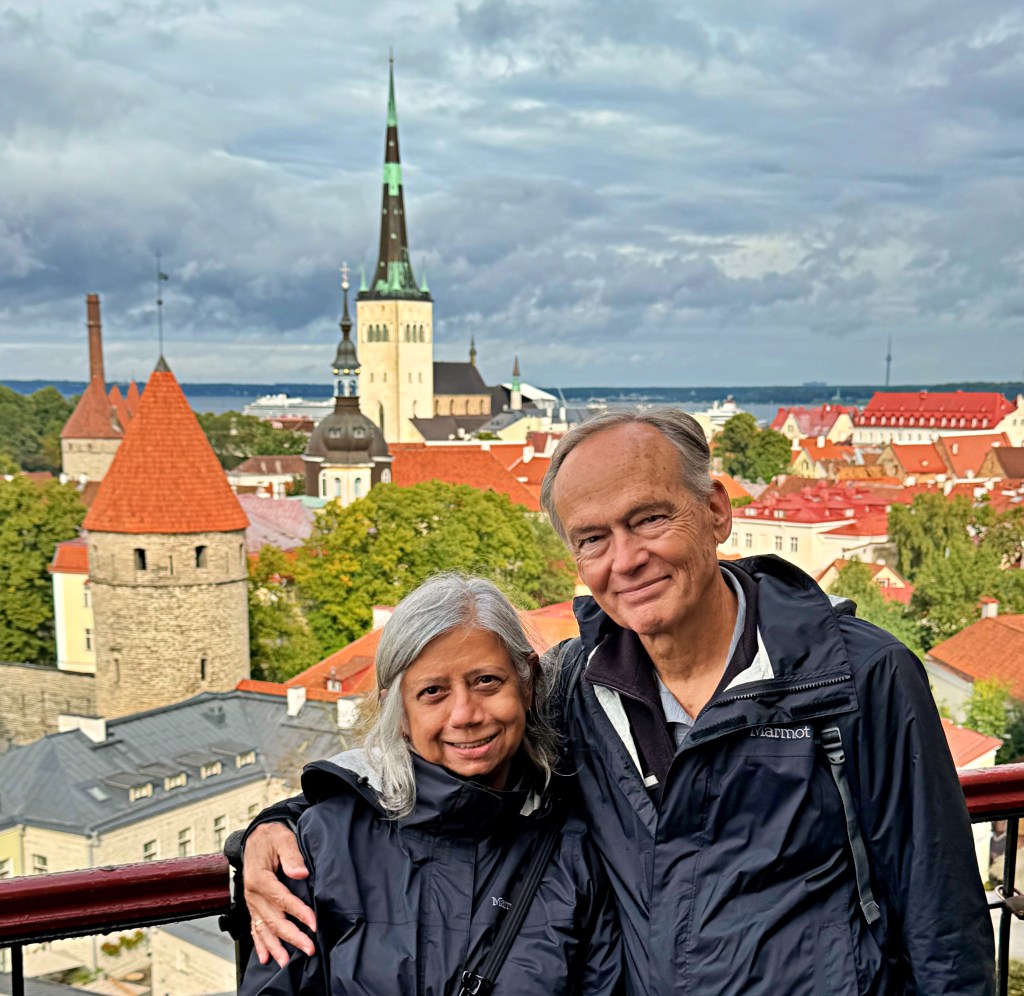
The rest of the time the country came under the rule of larger entities, which included Sweden, Denmark, Germany and, of course, Russia. “About the only country in the neighbourhood that hasn’t invaded us is Norway,” Gleb quipped, adding that the Russian threat still looms large. He said he gets PTSD every time he hears something that sounds like a drone.
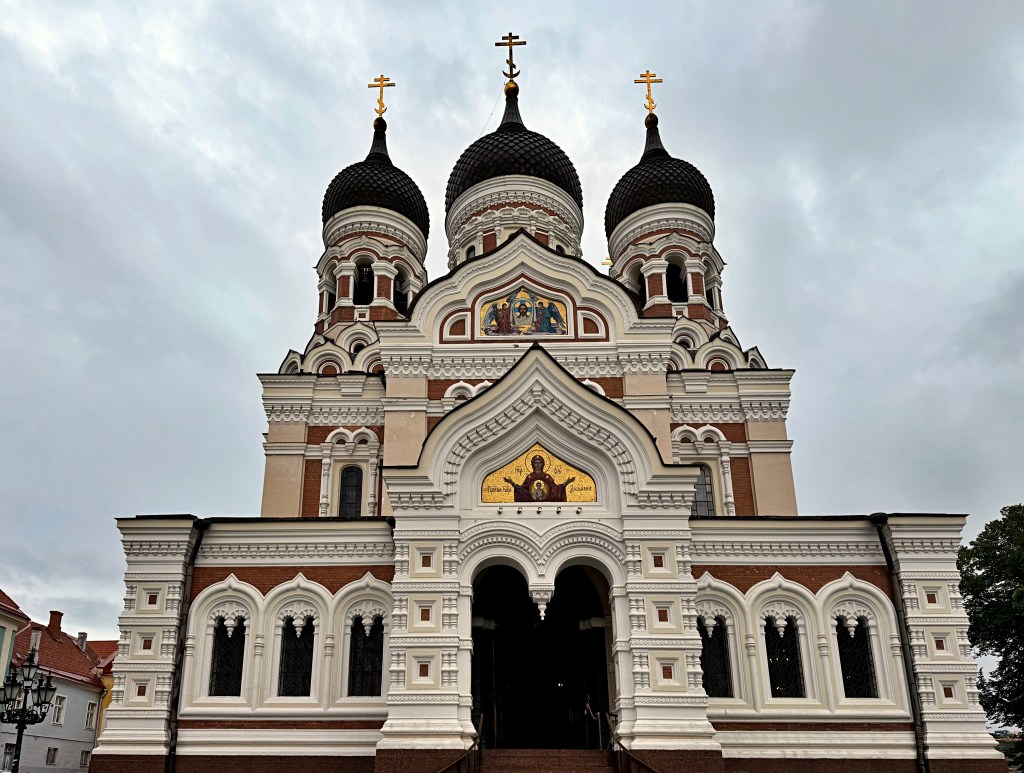
One of the grandest and most striking buildings in Tallinn is the Alexander Nevsky Cathedral, which was built during the Russian occupation in the late 19th century. Estonia’s independent government wanted to demolish it after taking over in 1919 but lacked the money to do so. The church became a warehouse during the Soviet period before being restored to its former glory in recent decades.
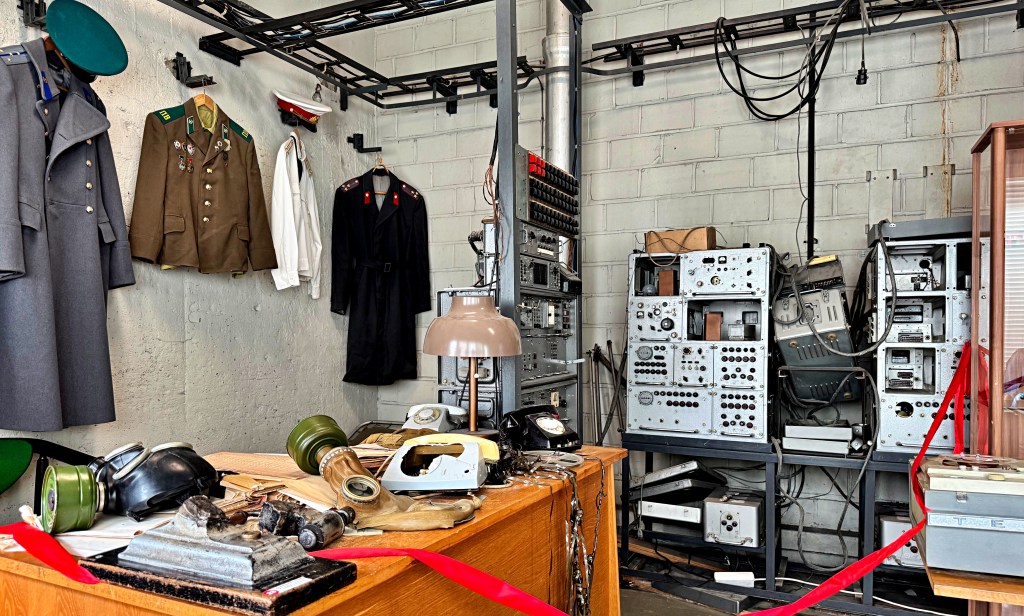
Bina and I got another view of the Russian impact on Tallinn the next day when we toured the “KGB museum” on the top floor of the Sokos Viru Hotel. It’s a fascinating story that begins in the mid-1960s, when the Soviet Union, desperate for foreign currency, initiated ferry service between Helsinki and Tallinn to attract tourists.
The luxurious Viru hotel opened in 1972 to house those foreign guests, with an elevator that only went to the 22nd floor. That because the entire 23rd floor concealed a KGB listening post used to to spy on the westerners below. At least 60 of the hotel’s 400 rooms had concealed listening devices in their walls, with other surveillance equipment hidden throughout the rest of the building.
Our guide for the hotel tour, a man named Mart, noted that the system was unbelievably corrupt and inefficient, with about 1,000 employees serving 500 guests (nowadays, the hotel employs about 100). Nearly all of them were involved in “shady business.” Even the “dragon ladies,” older women stationed as concierges on each floor, would try to buy nylons, jeans or aftershave from their guests to re-sell to fellow Estonians. “For everyone involved in shady business in Tallinn, this hotel was the place to be — because that’s where the foreigners were,” said Mart, who grew up in the city during that period.
Nowadays, thankfully, Estonians are able enjoy more productive ways to better their lives. Over 62.5% of individuals aged 16 to 74 possess at least basic digital skills, helped by an educational system that promotes high-tech learning. Since 1991, the country has excelled in creating high-tech startups, like Skype, Wise and Bolt, the most in Europe on a per-capita basis.
A tourist will quickly notice how all payment transactions are handled online, as are virtually all government services. You can even submit an online marriage application in Estonia, although you still have to stand before a government or religious official and say “I do” to make it legal.

